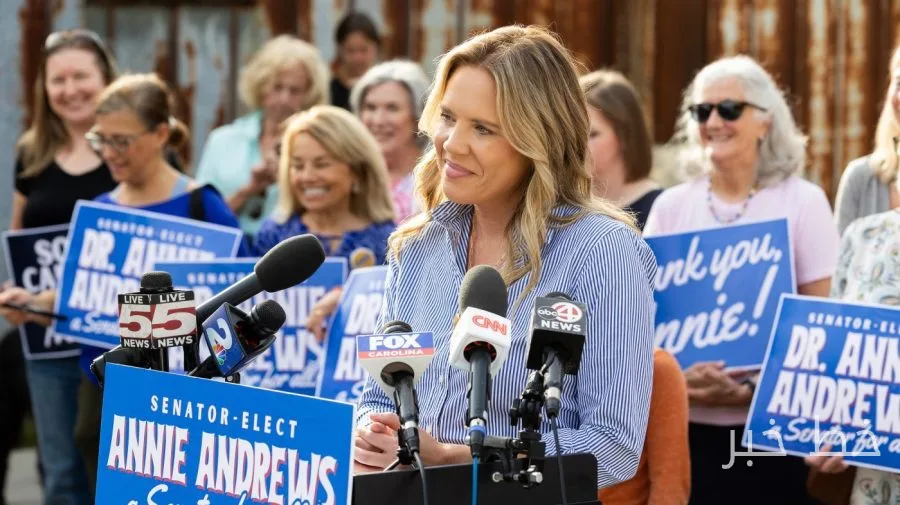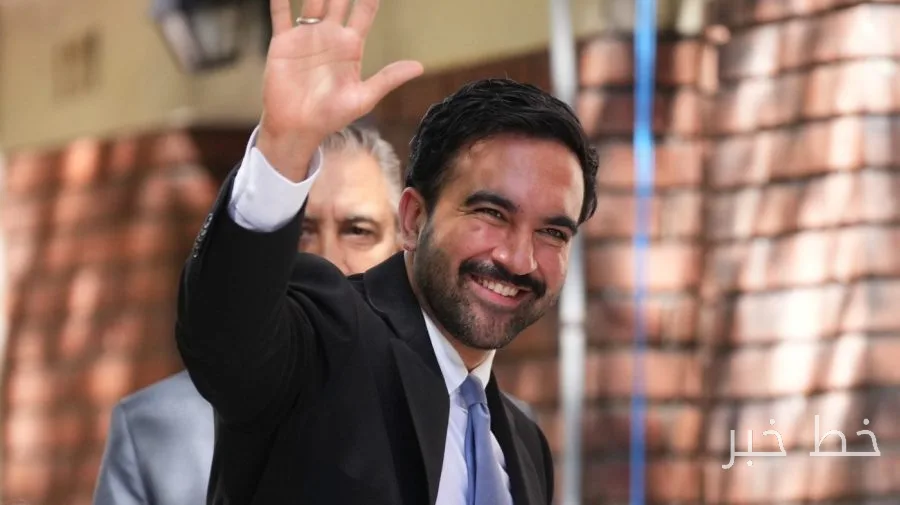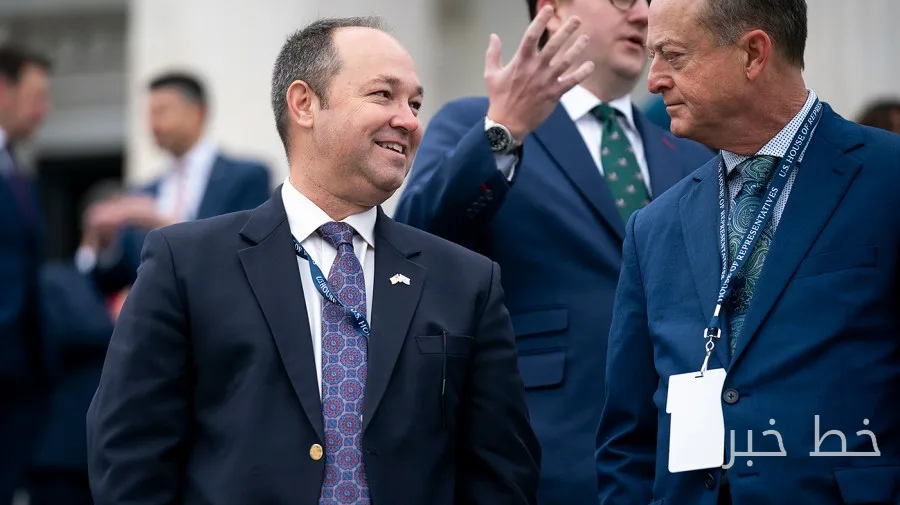
The new Congress of the United States, following the Democrats' victories in the midterm elections, has plans to end Trump's war in Iran. These plans include using Congress's financial power, the possibility of impeaching the Secretary of Defense, and filing legal lawsuits. These actions are in response to growing concerns about the war and its implications for national security and international relations.
Congress's Financial Power
As one of the key institutions in the U.S. political system, Congress has significant financial power. Democratic representatives can exert considerable pressure on the Trump administration by limiting military budgets and other financial resources. This action allows representatives to directly influence the war and its costs and demand that the administration end its military actions.
Read more: Greg Stanton emphasized the importance of an open mind in communications
Impeachment of the Secretary of Defense
In addition to using financial power, Congress may move towards impeaching Mark Esper, the Secretary of Defense. This impeachment could serve as a legal tool to hold Trump accountable for his war policies and impeach the Secretary. Democratic representatives can place the impeachment of the Secretary of Defense on their agenda, citing public dissatisfaction with the war, thereby increasing pressure on the President.
These actions occur as the war in Iran has become one of the main issues in electoral competitions, raising concerns among many voters. The Democrats' victories in this election reflect a public desire for change in U.S. war policies. Therefore, the new Congress may be able to respond to the people's demands and end the war by adopting new approaches.
Conclusion
Given the current political and social situation, the new Congress could play a key role in ending Trump's war. Through legal actions and pressure on the administration, Democratic representatives seek to create fundamental changes in U.S. foreign policy. These developments could lead to a reevaluation of international relations and also improve the country's national security situation.
Read more: Greg Stanton faces a serious challenge in the Mississippi election race · Reza Pahlavi received the Freedom Award in Frankfurt