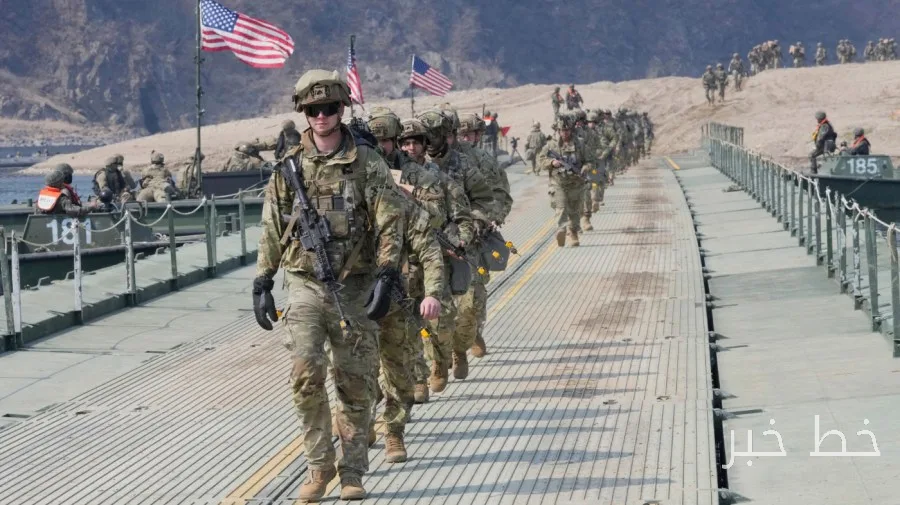
The Pentagon has emphasized the importance of professional dissent in military institutions. This is especially vital for military organizations that bear the responsibility of war and national costs. In today's complex military and political world, the ability to express differing opinions and constructive criticisms can lead to improved decision-making and increased military efficiency.
The Importance of Dissent in Military Decision-Making
Professional dissent means accepting and encouraging differing opinions within military institutions. These differences can provide innovative and better solutions to complex military challenges. For example, in situations where quick and difficult decisions must be made, the presence of differing opinions can help identify new risks and opportunities.
History has shown that military institutions that have used dissent as a constructive tool have been more successful. This is especially important in modern wars that require complex and multidimensional strategies.
Cultural and Structural Challenges
However, military culture typically tends to favor the acceptance of unified and aligned opinions. This issue can lead to a lack of attention to critical opinions and constructive dissent. Therefore, there is a need for changes in organizational structure and culture to consider dissent as a valuable element.
In this regard, military education and training should be designed so that military personnel are familiar with the importance of expressing their opinions and accepting others' criticisms from the very beginning. Additionally, military institutions should create appropriate spaces for discussion and exchange of ideas so that military personnel feel comfortable expressing their opinions.
Ultimately, armies must come to understand that dissent is not only a threat to cohesion but can also be used as an opportunity for improvement and advancement in military decision-making. This approach can lead to increased efficiency and success in the battlefield.