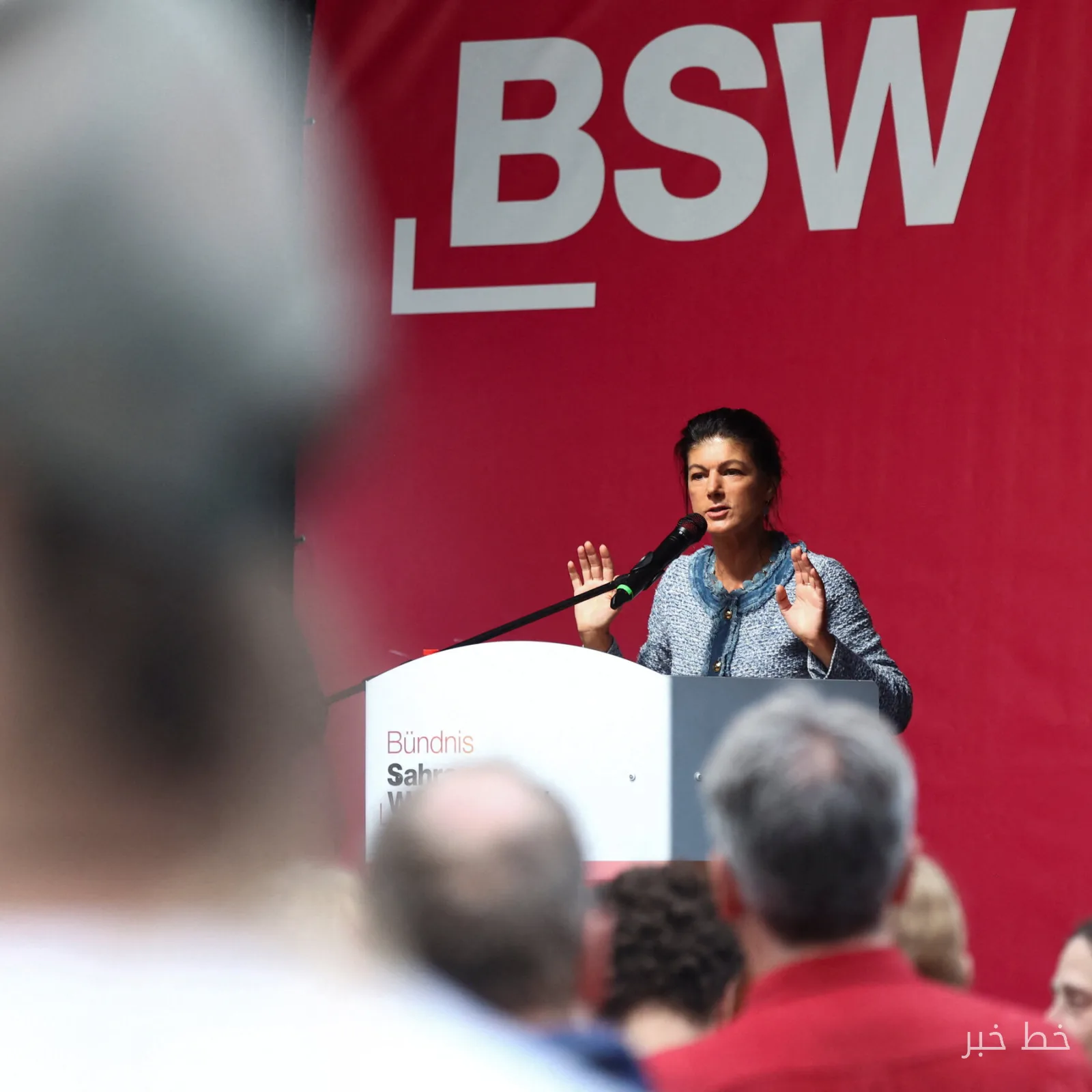
In the world of politics, sometimes a small player can bring about massive changes. In Germany, the far right has recently managed to win in a state election, but it seems that to achieve real power, it needs a small and unconventional party that has emerged on the political scene of this country.
A Small Party That Could Change the Equations
This party, which has strangely distanced itself from traditional political labels, is recognized as a popular and fresh force among the youth and various segments of German society. Supporters of this party, who consider themselves opponents of the existing system, strongly criticize current policies and government institutions while offering attractive promises to change the economic and social situation for the people.
Despite winning the elections, Germany's far right has not yet been able to achieve a majority, and now it is looking to this small party for support. This situation could significantly alter the political equations in the country and lead to the formation of an unexpected coalition. In fact, if these two forces collaborate, the likelihood of them gaining power will be very high.
Challenges and Opportunities
However, this collaboration may also face serious challenges. Many analysts believe that an alliance with an unconventional party could damage the credibility of the far right and, at the same time, increase tensions and divisions within society. Conversely, this could be an opportunity for other parties to take advantage of the situation by offering real and reasonable solutions.
Ultimately, the political future of Germany heavily depends on whether the far right and this small party will be able to cooperate or not. This issue not only affects the political future of Germany but also the social and economic stability of the country. In times when politics is undergoing significant changes, we must wait and see whether these two unconventional forces can change Germany's fate in their favor or not.