The President of Serbia, Aleksandar Vučić, criticized the recent ruling of the special Kosovo court in The Hague, which convicted four former leaders of the Kosovo Liberation Army (KLA) for war crimes but avoided convicting them for crimes against humanity.
Details of the Court's Ruling
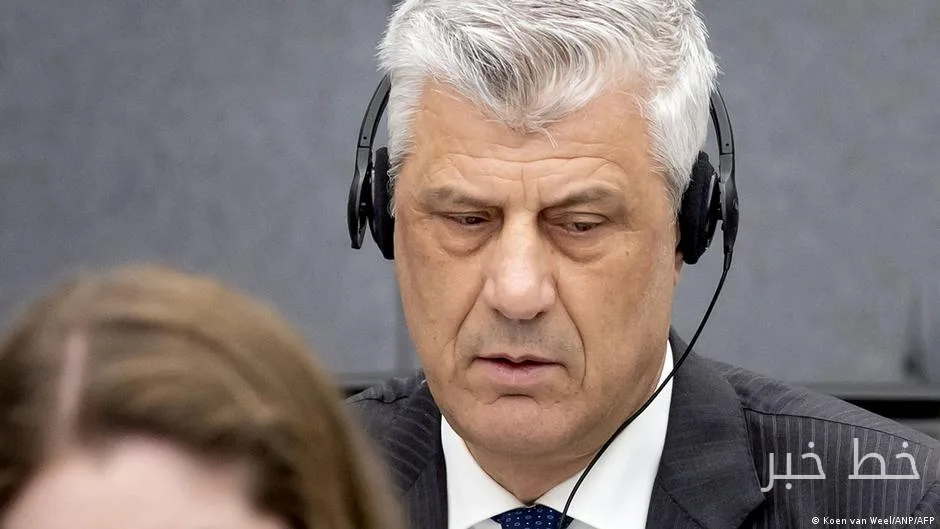
This court on Wednesday convicted four former KLA leaders of war crimes including unlawful detentions, cruel treatment, torture, and murder. In total, these four were sentenced to 81 years in prison, with Hashim Thaçi and Jakup Krasniqi receiving 25 years, Kadri Veseli 18 years, and Rexhep Selimi 13 years in prison.
The convictions included 385 counts of unlawful detention, 49 counts of cruel treatment, 303 counts of torture, and 96 counts of murder. However, they were acquitted of charges of crimes against humanity because the court could not prove that there was a widespread or systematic attack against the civilian population.
Criticism and Reactions
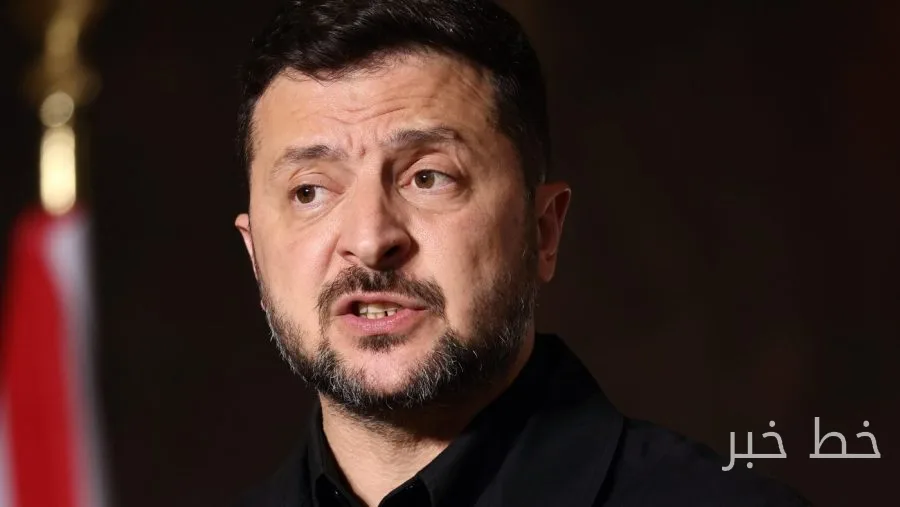
Vučić stated at a press conference that the special Kosovo court refrained from convicting these four for crimes against humanity in order to preserve the credibility of the KLA. He also added that this ruling does not take into account the crimes committed against Serbs after June 20, 1999, when KFOR troops entered Kosovo.
The President of Serbia referred to the criticisms from Kosovo Prime Minister Albin Kurti, who called the ruling an "unacceptable injustice." Vučić said, "If we said something like this about any accused person, several resolutions and statements would be issued against our people." This was a reference to the criticism from European officials regarding the funeral of Ratko Mladić, the former Serbian commander and convicted war criminal, which took place in Belgrade.
Vučić also pointed to a statement from the Croatian Ministry of Foreign Affairs and European Affairs, which said that the court's ruling does not change the fact that the people of Kosovo were victims of the repression and crimes of the Slobodan Milošević regime. He stated, "In no statement is any Serb recognized as a victim; in every statement, Serbs must be the perpetrators."
Serbian lawyer Aleksandar Olenik, who works on war crimes cases in the former Yugoslavia, assessed the ruling positively. He said, "It is clear that war crimes were committed in the territory of Kosovo under KLA control. Now we have sentences and individualization of criminal responsibility."
Olenik added that the respect shown to the victims in this process in The Hague represents progress in international criminal law. He stated that only the founders of the KLA are being prosecuted.
Stasa Zajović from the women's NGO in Belgrade stated that neither the Serbian regime nor the Kosovo authorities use the rulings in war crimes cases to examine their responsibilities in the war, but rather to escalate tensions. She emphasized that the responsibility for the largest crimes in the territory of the former Yugoslavia lies with the Serbian regime.
Zajović also stressed the importance of international forces monitoring the situation after the ruling, saying, "There are no conditions for armed conflict, but there is a risk of continuing the war in other ways."
Lawyer Olenik noted that previous rulings of international courts have had little impact on relations between Serbia and Kosovo and expressed hope that the situation would improve, but it seems that Kosovo society has shifted to the right in the past four years.