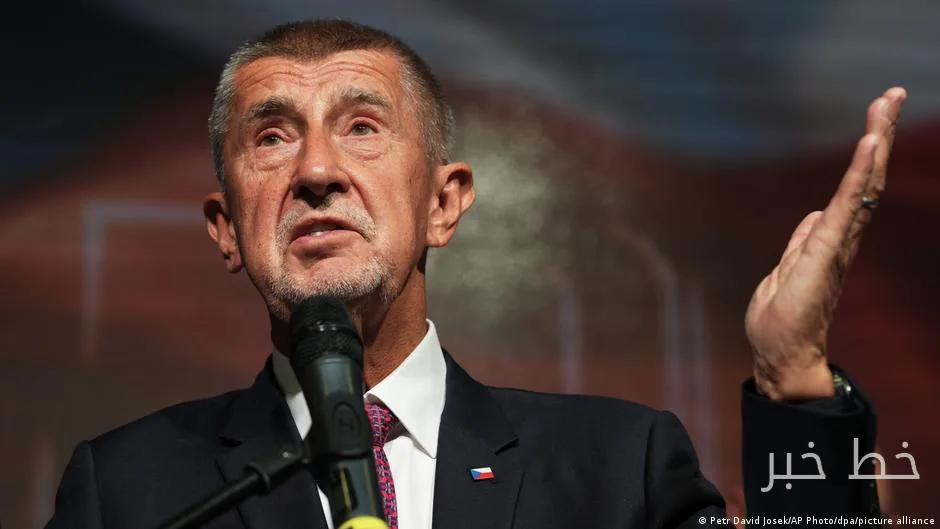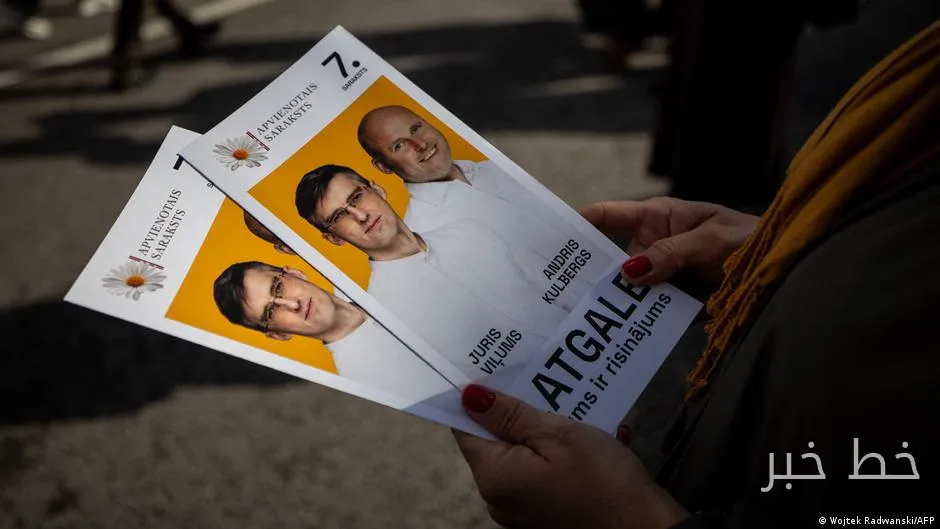
The United List Party led by Andris Kulebergz has taken the lead in the Latvian parliamentary elections on Saturday according to exit polls. This centrist and pro-Ukrainian party is expected to secure 35.6% of the votes.
Prime Minister's Reaction
Andris Kulebergz said at his campaign headquarters in Riga: "This result is very good, and I did not expect such results." According to the polls, the Latvian Priority Party is in second place with a share of 11.3%, nearly double its share in the previous elections in 2022. This party has sought to attract the attention of the country's large Russian-speaking minority.
Read more: The Romanian Parliament rejected the Prime Ministerial candidacy of Siegfried Mureșan
Kulebergz's Stance
The Prime Minister of Latvia announced on election night that he would not cooperate with any pro-Russian parties and specifically rejected forming a coalition with the Latvian Priority Party. In this election, which is the eleventh parliamentary election since independence from the Soviet Union in 1991, about 1.5 million people had the right to vote.
The election is contested among 14 parties for 100 seats in the Saeima under a proportional system, addressing important issues such as rising living costs and national security concerns in this small Baltic country, which neighbors Russia and Belarus.
Kulebergz has been in office since May, and the previous government fell due to disagreements over Ukrainian drones. Although his party is leading in the polls, his coalition is expected to be weaker than before.
The ongoing Russian invasion of Ukraine is seen as a direct threat to national security in Latvia. Unlike Ukraine, Latvia is a member of the European Union and NATO, and Riga, as one of Kyiv's closest partners, has committed to allocating at least 5% of its GDP to defense.
Many Latvians complain about high prices and low wages, and issues such as a sluggish economy, pressure on the healthcare system, and aging population and migration remain persistent challenges.
Populist movements like the ruling coalition/Latvian Youth and the Latvian Priority Party have tried to exploit discontent and believe that a complete economic separation from Russia is harmful. However, none of the parties propose significant changes to Latvia's foreign policy, which is aligned with the European Union and NATO.
Ultimately, after the counting of votes, attention will turn to coalition negotiations, which may be lengthy and complex. Preliminary results will be published on Saturday night, and official preliminary results will be released on Sunday.
Read more: Political and social crises in France on the eve of the presidential elections · The bittersweet victory of the Prime Minister of Latvia in the elections with the shadow of Russia