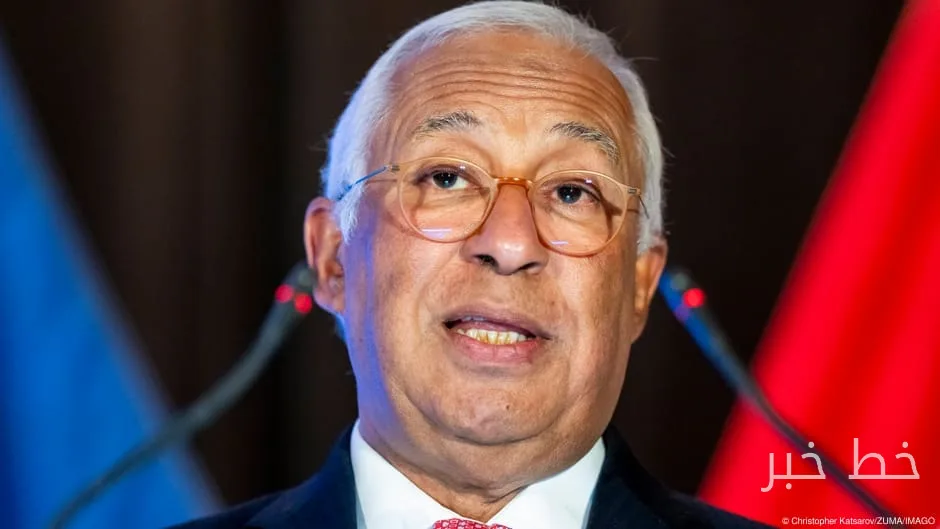
The President of the European Council, Antonio Costa, has presented a new draft for the future budget of the European Union. This draft includes a tax on large tech companies aimed at reducing the contributions of member states. Some of these countries had strongly criticized previous drafts.
Details of the EU Budget
The EU budget is a common budget that is spent on various matters including agricultural subsidies, infrastructure projects, border control, and defense. The initial draft budget for the years 2028 to 2034 was presented in 2025 by the European Commission, but it was particularly criticized by a group of northern European countries including Germany, which called for a significant reduction in the budget size.
New Proposal and Reactions
In response to the criticisms, Antonio Costa has proposed a new budget that is 204 billion euros smaller than the previous draft. However, disagreements among member states remain, and France has quickly reacted against Costa's new draft, describing it as "extremely disappointing."
This proposal includes several "new revenue channels" specifically designed to "keep national contributions at a reasonable level," so that member states must contribute less than they otherwise would have.
The tax on companies whose annual revenue from digital activities in the EU is at least 50 million euros and globally 750 million euros is likely to have the biggest impact. These companies will be required to pay "an annual contribution equivalent to 3% of their net annual revenue from online advertising, digital intermediation services, and user-generated data."
In addition to the tech tax, the "balanced basket of new resources" also includes taxes on tobacco products and electronic waste. Neither the European Commission nor the President of the European Council, Costa, will have the final word on the budget. Costa's plan will now be at the center of hours of discussions when EU leaders meet in Brussels next week.
Costa wrote about his proposal: "This is a real budget that responds to our new priorities while maintaining our established policies. I am confident that this proposal provides a good basis for moving towards a final agreement." However, the initial reaction from France suggests that any final agreement may still take some time.
The President of France stated that this budget "is far less than what is needed, especially in the common agricultural policy, particularly to ensure income support for farmers." According to him, "This proposal from the President of the European Council is not presented as a basis for agreement." The European Union hopes to reach a general agreement on the budget by the end of 2026, with formal approval planned for 2027.