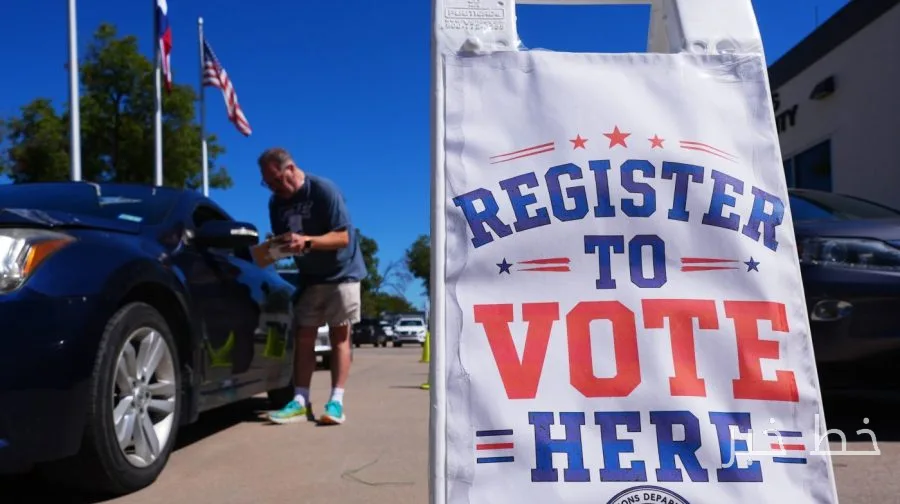
The increase in separate voting in the upcoming midterm elections could harm Republicans. This issue has arisen due to Donald Trump's popularity among some Republican voters and specific local dynamics in states such as Texas and Iowa.
Trump's Popularity and Its Impact on Voters
Donald Trump, the former President of the United States, still enjoys high popularity among a segment of Republican voters. This popularity can have a significant impact on how people vote in the midterm elections. Many voters may decide to vote for candidates who are closer to Trump, even if these candidates differ politically from other Republican candidates at the local level.
The Impact of Local Dynamics on Elections
In addition to Trump's popularity, specific local dynamics can also influence election outcomes. In states like Texas and Iowa, local issues can drive voters towards separate voting. This pattern of voting means that voters may decide to vote for candidates from two different parties, meaning they might choose a Republican for one position and a Democrat for another.
This change in voter behavior could lead to unexpected results and put Republicans in a difficult position. In past elections, separate voting has been recognized as a key factor in changing outcomes. If this trend continues, Republicans may face more challenges in the upcoming elections.
Potential Consequences for Republicans
If the trend of separate voting continues in the upcoming midterm elections, it may lead to a reduction in Republican seats in Congress. This situation could have profound effects on the future policies of Republicans as well as their electoral strategies.
Ultimately, the upcoming midterm elections could be seen as a major test for Republicans. If they cannot effectively respond to these changes, they may witness a significant decline in public support.