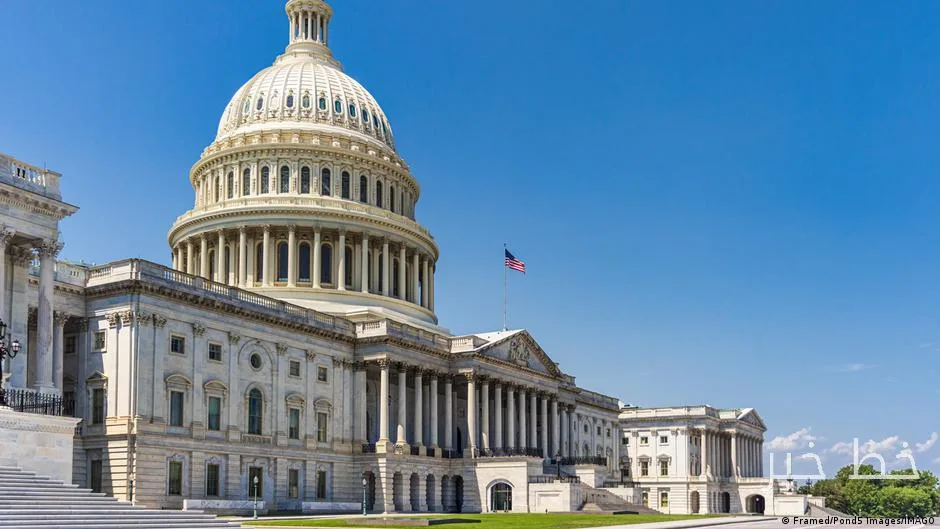
Women make up 51 percent of the U.S. population, but this ratio in the United States Congress is only 28.4 percent. However, currently, 152 women are serving in the House of Representatives and the Senate, which is the highest number in U.S. history. Additionally, the number of female governors in the 50 states of America has also reached its highest point, with about 14 of them, equivalent to 28 percent, being women.
Structural and Cultural Challenges
There are several reasons that contribute to the low number of women representatives in Congress. Kelly Dittmar, director of research at the Center for American Women and Politics, says: "Some of them are structural; there are rules in our political system that make it difficult for newcomers to enter." Since Senate seats are up for election every six years and House members serve for two years, this timing also hinders women's entry into politics.
Read more: The city of Arlington sued Trump over the construction of the Victory Arch
Campaigns in the United States are also very expensive, and historically, women have had less access to funding networks. Meanwhile, many party leaders remain male and tend to select more men as new candidates. Additionally, cultural biases play a role in this area, with expectations about what women can and should do.
Elections and the Future of Women in Congress
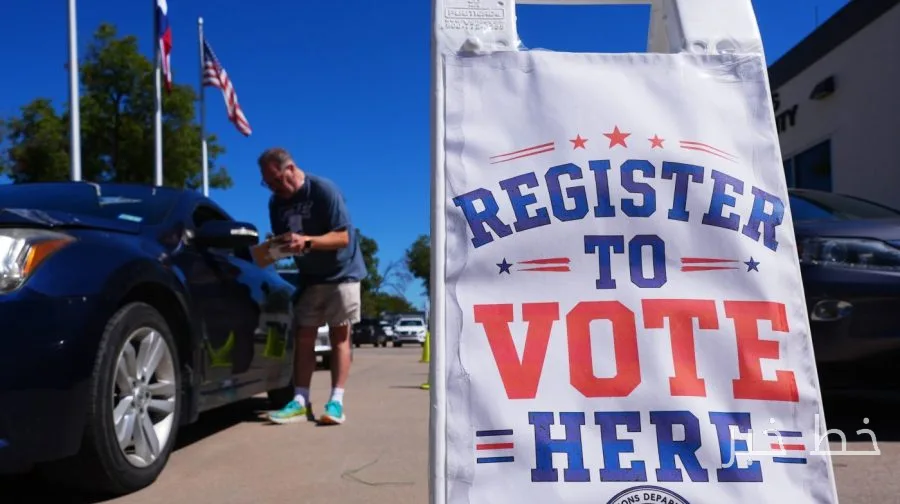
The elections on November 3 will determine the number of women present in Congress for the next two years. All 435 seats in the House of Representatives and 35 out of 100 Senate seats will be up for voting in this election. Currently, 125 out of 435 representatives are women, and this number is unevenly distributed between the two parties. There are more Democratic women than Republican women: 95 female Democratic representatives and 30 female Republican representatives.
Dittmar says: "The support infrastructure for women in the Republican Party is less than in the Democratic Party." While 10 out of 14 female governors are Democrats, four are Republicans. In the upcoming elections, Peggy Flanagan from the Democrats in Minnesota could become the first Native American woman to enter the Senate.
The upcoming elections present an opportunity to increase the number of women in politics and improve their representation in Congress.
Read more: Melat Kiros managed to attract Generation Z · Postal services will be closed on Monday in observance of National Day