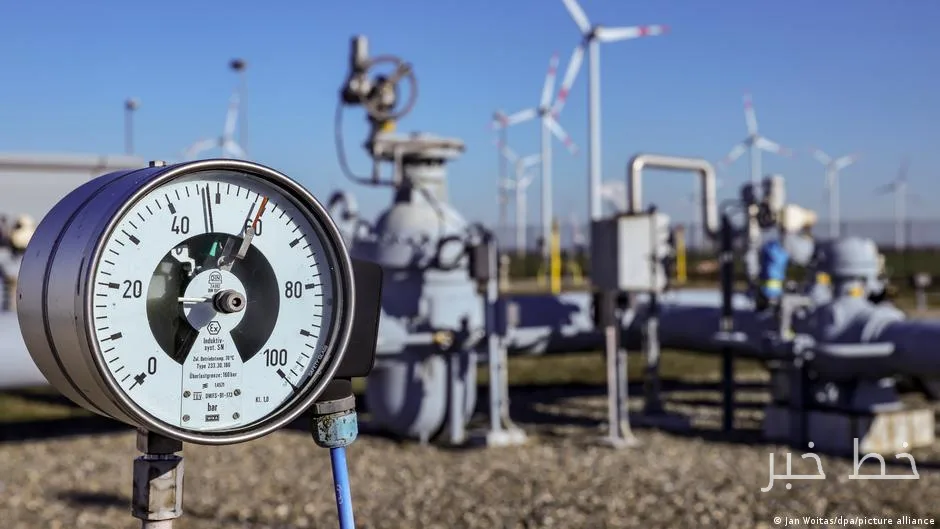
Germany has stored about 141 terawatt-hours of gas in mid-September 2026, which constitutes only 57 percent of the country's total storage capacity. Last winter, less than 134 terawatt-hours of gas were withdrawn from reserves, according to data provided by the Federal Network Agency. This agency is responsible for overseeing the country's electricity and gas networks.
Concerns About Gas Shortages
Although these numbers seem hopeful, gas reserves appear low compared to previous years. On September 4, Markus Söder, the Prime Minister of Bavaria, called on the federal government to intervene in this situation. Subsequently, the Green Party criticized the German Minister of Economy for neglecting this issue. Britta Haßelmann, co-chair of the Green parliamentary group, stated: "Gas storage facilities are not full, and we are facing a potential shortage."
Current Gas Supply Status
However, to assess the current situation, it is necessary to consider various factors such as imports and the diversity of supply sources. Germany is no longer heavily dependent on a single importer, such as Russia until 2022. Most experts believe that gas supply will not be jeopardized this winter. Charlie Grunberg, spokesperson for the German Gas and Hydrogen Industry Association, referred to contracts signed for gas supply and said: "Anyone who has contracted their gas needs with a reputable supplier will receive the agreed quantities."
Sebastian Heinermann, CEO of the INES Association, commented more cautiously, noting that technically, gas storage facilities in Germany could be filled to about 77 percent, but this requires filling to a level that "has not been observed even once in the past three weeks." He added: "If this trend continues, the filling level will only reach about 65 percent by November 1."
Price Forecasts and Economic Challenges
As winter approaches and gas consumption for heating increases, prices typically rise. This trend is already evident. In the second quarter, gas prices in futures markets were around 46 euros ($52) per megawatt-hour, which has recently risen above 80 euros. Olaf Geyer from the American consulting firm Arthur D. Little, which monitors the German market, stated that there are no immediate supply issues, but if the winter is cold or disruptions in imports occur, prices may rise rapidly.
Grunberg added that "reliable price forecasts are difficult" and noted that low storage levels could lead to price increases "if additional quantities need to be sourced from the market." However, currently, there are no signs of shortages on the supply side. The German Ministry of Economy also emphasized that current prices for winter futures contracts are only slightly higher than spot market prices for immediate transactions.
Need for Effective Economic Incentives
Geyer also emphasized the need for better incentives to fill storage facilities. Heinermann also called for the establishment of a reliable market framework for long-term gas storage supply, stating that this should be achieved through incentives, requirements, or a combination of both.