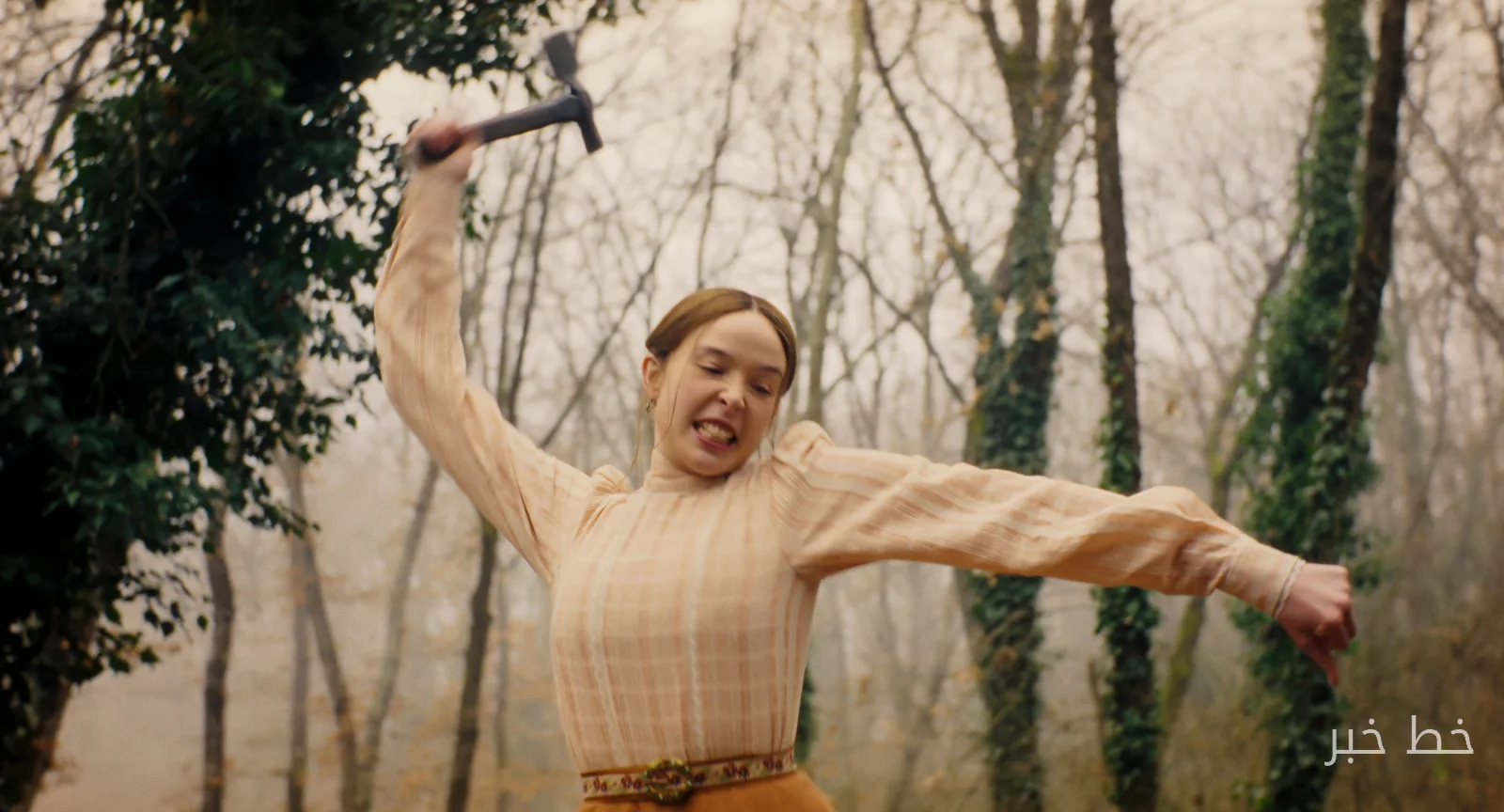
The series Monster: The Lizzie Borden Story deals with women's anger and repression while failing to offer new insights in this area. This historical story focuses on the life of Lizzie Borden, a woman in Fall River, Massachusetts, who was accused of murdering her stepfather and mother in 1892. The series clearly attempts to use this story to address broader issues such as rape, domestic violence, and social pressures on women.
Historical Flaws and Storytelling
Lizzie Borden is portrayed in this series as a complex and multifaceted character, but the storytelling is done so freely and inaccurately that it is hard to consider it close to reality. With Christina Ricci playing Lizzie, who ages from 32 to 60 throughout the season, and Charlie Hunnam and Cleopatra Coleman as her parents, the characters appear unusually younger and more beautiful than reality. This series presents the story in a disordered manner by mixing facts and rumors, making it difficult to distinguish reality from fantasy.
Narrative of Women's Anger and Repression
The series also attempts to address women's sexual and identity issues through the character Maggie, introduced as the Borden family's maid. This character interestingly connects with Lizzie and intertwines stories of female killers in history. Although this approach seems intriguing, it ultimately leads to a superficial and simplistic narrative of women's experiences.
Another interesting point is the introduction of the character Aileen Wuornos as one of the female killers in American history, who is indirectly linked to Lizzie Borden in this series. Her presence in the story somewhat critiques sexual violence, but this critique is hardly integrated into the text appropriately. In the end, this series, instead of providing new insights, repeats old and well-known themes about women's anger.