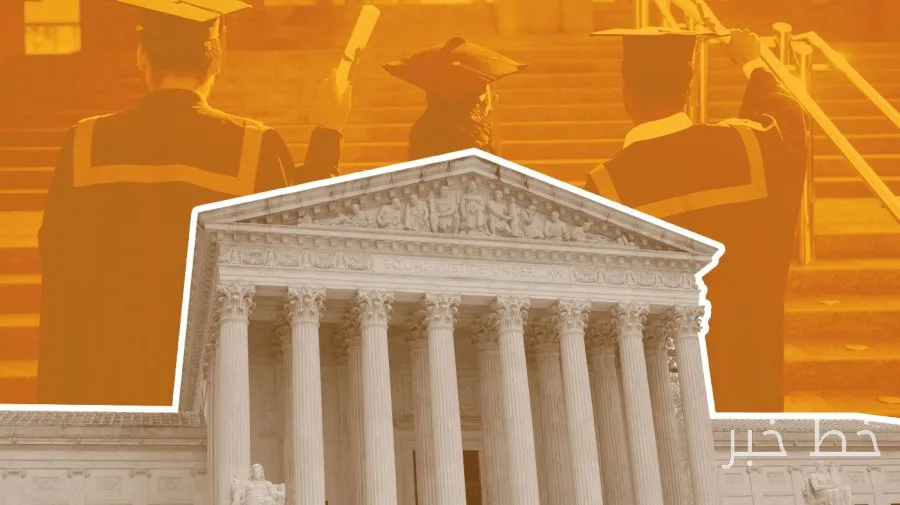
Academic freedom in the United States has become one of the hot and concerning topics. In the history of the country, this freedom has never been under such intense pressure. This issue has particularly turned into a serious challenge in recent years with the emergence of various social and political movements.
Political and Social Pressures
In recent years, several laws and policies have been enacted in different states that directly impact freedom of speech and academic research. These pressures have raised concerns among professors, students, and universities. Some universities have been pressured to remove specific topics from their curricula or to address them in a way that aligns with prevailing political views.
Read more: Proposal to change the structure of the United Nations to address global crises
The Role of the Supreme Court
The Supreme Court of the United States is now in a position where it must make important decisions regarding the future of academic freedom. This body can play a decisive role in preserving academic freedoms by interpreting existing laws and examining legal challenges. Some specific cases are currently under review in the courts that could have profound impacts on the educational and research trends in the country.
Ultimately, it is this court that must respond to these challenges in light of constitutional principles and the fundamental values of American society. If the Supreme Court fails to adequately defend academic freedom, the consequences may affect the educational and research system of the country for years to come.
Read more: North Korea is hesitating to send more troops to Russia · Research on the impact of double-speed video watching on learning



