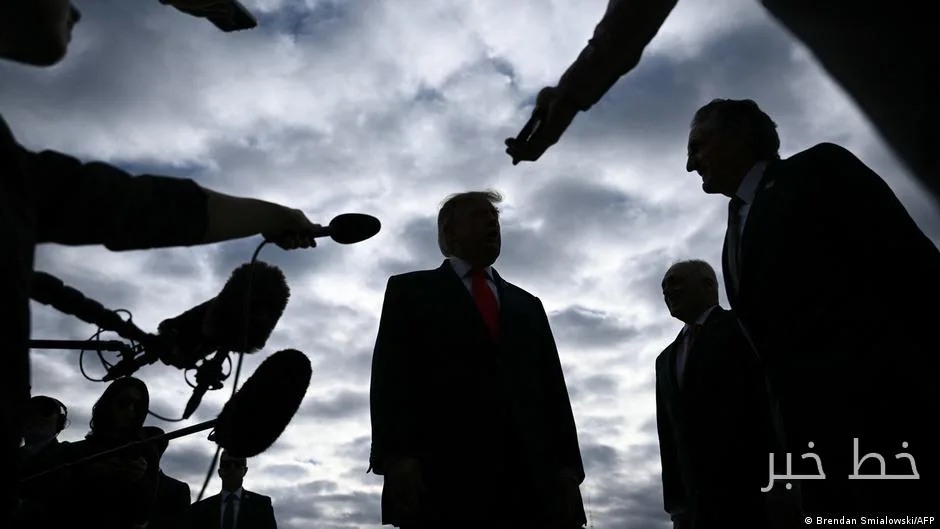
The Republican government of the United States, led by Donald Trump, is facing complex challenges in foreign policy and war with Iran. Following the midterm elections, if the Republicans lose control of Congress, Trump will have to confront a new political landscape that could impact the war in Iran.
Domestic Pressure and Potential Risks
According to experts, a Democratic victory in the elections could force Trump to focus more on domestic issues. There is also the possibility that the financial costs of the war will be scrutinized in the U.S. Congress. However, Trump may continue to carry out limited strikes against Iran without officially declaring war. Experts believe that Trump is looking for a way to "maintain his image."
Read more: Debbie Dingell called Holly Stevens' interview with CNN painful
Trump is under pressure as Iran is currently playing with a big risk. This risk could increase the likelihood of renewed attacks. Additionally, the President of the United States has broad powers and freedom of action in foreign policy and military operations. Even a Republican defeat in the elections would not mean a halt to new attacks.
Political Uncertainty in Israel
The October 27 elections in Israel have reached a deadlock, with none of the existing coalitions able to secure a decisive majority. This uncertainty could compel Netanyahu to make significant decisions while he still has power, turning this transitional period into the "most dangerous and vulnerable" time for escalating tensions.
A change of government in Israel will not fundamentally alter the country's policy towards Iran. Netanyahu's main rival, Gadi Eisenkot, may lean closer to the U.S., but personal relations with Trump will greatly influence this cooperation. Eisenkot "will certainly not be like Netanyahu, selling any plan to Trump."
Nuclear Challenges and Regional Tensions
Iran's nuclear program remains the biggest unresolved issue among governments, and the United States rejects Iran's narrative that this program is solely for peaceful purposes. Washington wants negotiations to focus not only on Iran's nuclear program but also on concessions at the start of talks. In return, Iran demands the lifting of sanctions and the release of frozen assets before nuclear negotiations begin.
Given the lack of agreement between the two sides on an agenda, experts warn that the likelihood of war is increasing. While Iran continues to limit its energy exports in the Strait of Hormuz, these actions alone will not lead to an escalation of tensions. If U.S. officials decide that a broader attack is necessary to change Iran's calculations, any incident could be used as a pretext for military action.
Analysts also point to Houthi attacks in Yemen on energy exports in the Red Sea, which could fuel tensions between Iran and the United States. However, the roots and struggles of the Houthis are entirely domestic and organic, and their actions do not necessarily escalate the war between Iran and the United States.
Read more: The midterm elections in Washington could change the balance of power · Mohsen Rezaei detailed the negotiations between Iran and the U.S.