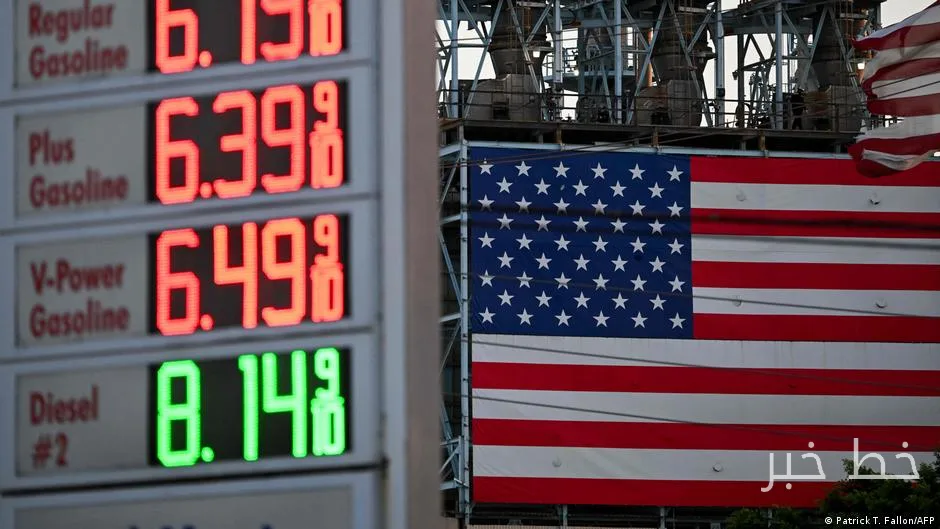
The Trump administration is considering a ban on diesel exports. This decision comes in response to a significant increase in diesel prices and its negative effects on agriculture and transportation in the United States. According to officials, high diesel prices have put immense pressure on farmers and transportation companies, prompting a sense of urgency for action.
Reasons for the Diesel Export Ban
The rise in diesel prices in domestic markets due to high demand and reduced production has raised serious concerns about fuel supply for farmers and transportation companies. Many of these companies rely on diesel as their primary fuel source. Additionally, these high prices could lead to increased production costs and, consequently, higher prices for goods.
Read more: Friedrich Merz in the Dilemma of Economic Reforms in Germany
Potential Consequences for Various Industries
A ban on diesel exports could have profound effects on the energy market and the economy of the United States. While the primary goal of this action is to support agriculture and transportation, it may also lead to a decline in exports and a reduction in revenue from fuel exports to other countries. This situation may benefit domestic consumers but could be detrimental to producers and exporters.
The Trump administration must carefully assess the implications of this decision and seek ways to support domestic industries while preventing negative impacts on international markets. Furthermore, such a decision may lead to new tensions in U.S. trade relations with other countries.
Read more: The United States Limited Visas for 32 Individuals Associated with the Prince Group · The Trump Administration Signed a Tripartite Security Agreement with Greenland and Denmark