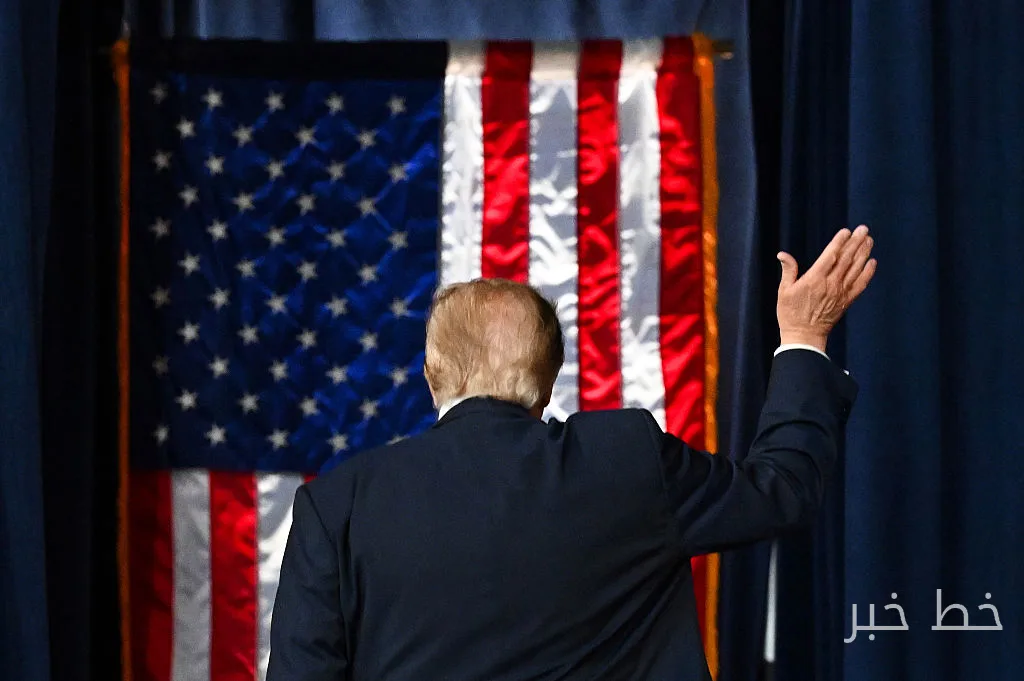
On October 10, Donald Trump's administration made a controversial proposal at a political rally in Clarksville, Tennessee, which could change the name of the Atlantic Ocean to 'Trump Ocean'. Trump stated in his speech, "We need an ocean. So I thought about naming either the Atlantic Ocean or the Pacific Ocean." This statement was met with laughter and cheers from the audience.
Proposal for Renaming and Reactions
Following this topic, Trump stated at another rally on October 21 in South Carolina that he asked Sundar Pichai, the CEO of Google, to change the name of the Atlantic Ocean on Google Maps to his name. According to Trump, Pichai responded, "Please don’t ask us to do that." Trump then said, "I’ll probably let this go. I think it’s better to keep the Atlantic Ocean as it is."
Read more: Ismail Baqai reacted to Rubio's statements
Cultural and Political Concerns
Trump's actions in renaming places reflect a kind of "topographic narcissism," meaning he attempts to reshape the world around him in his image. Geographical names not only represent places but also carry deep cultural and social significance, and they should transcend the personal interests of a leader or government. Naming places is part of our intangible cultural heritage, and its importance far exceeds Trump's personal aspirations.
Trump has specifically focused on places with indigenous names, such as Lake Ontario and the Gulf of Mexico. This issue could be seen as an attempt to erase a history that refers to indigenous cultures. For example, the name Atlantic Ocean is derived from Greek meaning "Ocean of Atlantis," which refers to a legend about the giant Atlas in Northwest Africa.
Principles of Responsible Naming
In this regard, the international community must emphasize its commitment to respecting the cultural value of naming places and articulate responsible principles for geographical naming, especially for geographical features that share international borders. In an open letter drafted in collaboration with place-naming experts, five key principles have been proposed:
- Recognizing geographical names as important cultural forms and shared resources that entail responsibilities beyond the interests of a specific government or leader.
- The necessity of meaningful public participation in place-naming decisions.
- Not using names to declare cultural superiority or advance territorial ambitions.
- Place naming should not be dedicated to living individuals.
- Accepting that a shared geography does not need a single name and that different names can reflect diverse histories and languages.
If Trump decides to pursue the renaming of the Atlantic Ocean or the Pacific Ocean, the international community must stand against this self-centered action and defend the cultural values of place naming as a cornerstone of the shared map of the world.
Read more: Baqai's reaction to the U.S. Secretary of State's comments on the religious beliefs of Iranians · Trump criticized LeBron James for disrespecting the national anthem