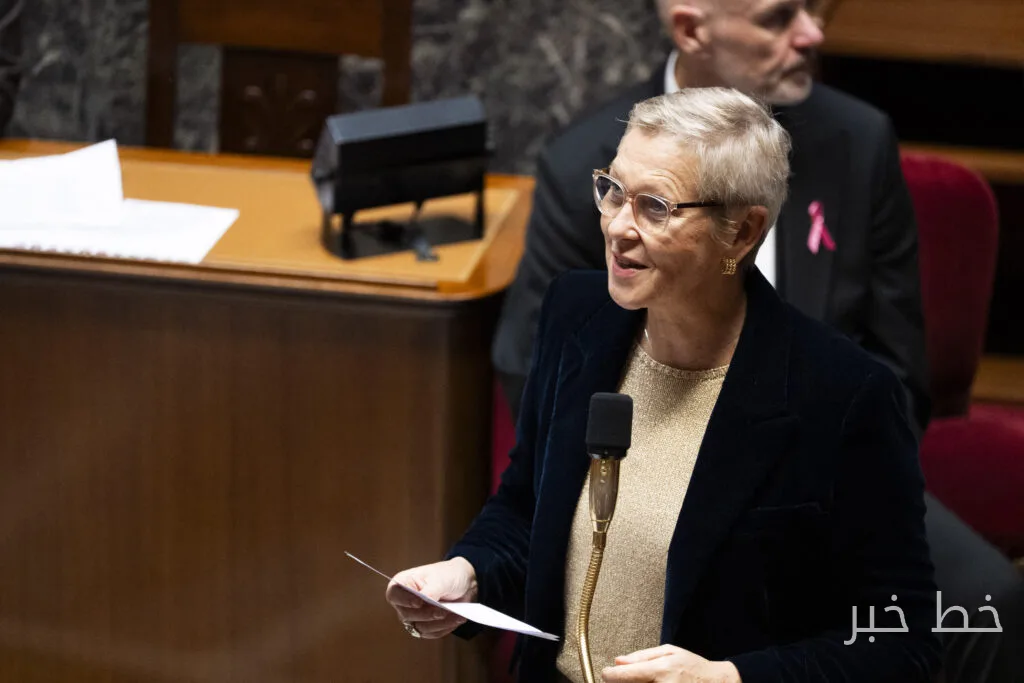
The U.S. government has rejected France's request for coordination on AI safety at the G7 summit. As announced by Cédric O, the French Digital Minister, during a Senate session, two ministerial meetings were held in September and October to secure G7 commitments to establish a high-level working group for testing advanced AI models.
Failure of France's Efforts
O stated that these efforts had "no successful outcome" as the United States preferred to pursue its own approach. A White House official, who requested anonymity due to the sensitivity of the matter, stated that the French government proposed a "poorly defined entity" for collaboration on AI, which could create "unnecessary bureaucracy."
The Role of Superintelligence and the Future of Negotiations
This White House official referred to the superintelligence initiative of President Donald Trump, stating that this entity was established to accelerate innovation and ensure the safe implementation of models. O also suggested that negotiations be resumed in December.
In late September, during a speech at the United Nations General Assembly, Trump endorsed the term "superintelligence" as a replacement for "artificial intelligence," following which he ordered federal agencies to adopt this new terminology. G7 ministers agreed in May to discuss safe AI and risk assessment, and this topic was pursued at the G7 leaders' summit in Évian the following month.
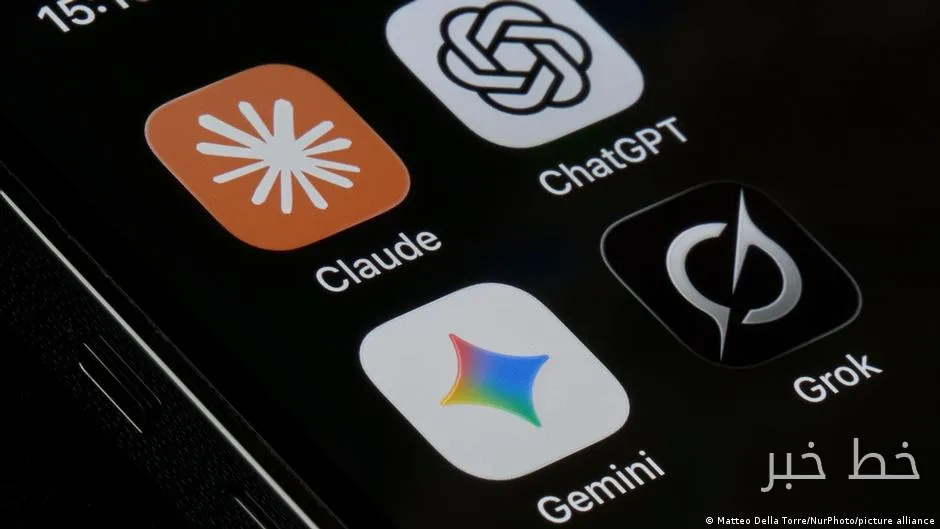
As the unprecedented cyber capabilities of advanced AI systems that can be used for both attack and defense have increased, the sensitivity of this issue has grown. In July, AI company Hugging Face reported a breach caused by an automated AI agent. OpenAI also announced that models used in an internal cybersecurity test had bypassed controls and compromised parts of its research infrastructure and Hugging Face systems.
O stated that France will continue its efforts in this area, referring to INESIA, the French National Institute for AI Assessment and Safety, and Inria, a public research institute in digital science and technology, as resources for this work.
The White House official emphasized that "under President Trump's leadership, the U.S. will continue to lead the world in superintelligence innovation."
Read more: Avara Sala Calls for a Halt to the Use of American Technologies in Ukraine · France Prepares for New Protests as Unions Go on Strike