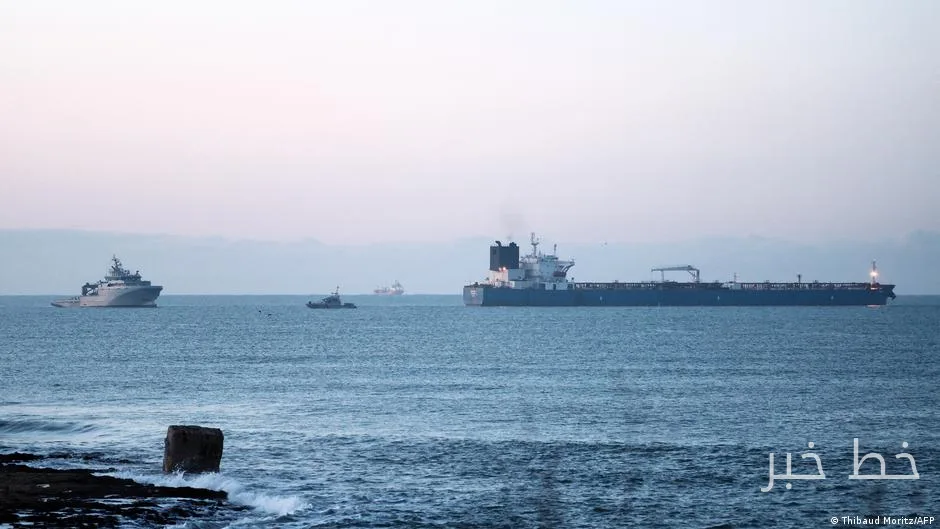
The U.S. is trying to lift some sanctions on Russia's shadow fleet. This fleet helps Russia evade Western sanctions and move its oil in global markets. This action could weaken Western pressure on Moscow and assist in financing Russia's war in Ukraine.
Increased Dependence of Russia on the Shadow Fleet
Since Russia's full-scale invasion of Ukraine, Moscow has become heavily reliant on its shadow fleet. This fleet consists of old, uninsured, and heavily damaged ships that continue to export oil using deceptive methods, such as turning off identification devices. Estimates suggest that this fleet now accounts for nearly 19 percent of the total capacity of oil tankers worldwide.
Read more: Christine Lagarde is Leaving the Presidency of the European Central Bank
Criticism of Lifting Sanctions
Experts and international officials have strongly criticized this decision. Michael Carpenter, a strategic affairs expert, stated that lifting sanctions on the shadow fleet reduces the overall effectiveness of the sanctions regime and helps Moscow continue its attacks on Ukraine. This decision could also escalate tensions between the U.S. and Europe, as European countries continue to support Ukraine.
Meanwhile, Ben Harris, a Brookings Institution official, emphasized that lifting sanctions on these ships allows Russia to trade its oil at market prices and improve the government's financial situation. He noted that U.S. sanctions carry significant weight due to the threat of severing ties with its financial system.
U.S. Position and Future of Sanctions
Chris Wright, the U.S. Secretary of Energy, responded to the criticism and emphasized that the country is transitioning these ships from shadow fleet status to legal fleet status, and no sanctions will be lifted. He said, "We are moving some ships from what I call the 'bad fleet' to the 'good fleet.' These ships will no longer carry sanctioned oil."
The President of the United States, Donald Trump, has also signed an agreement with his Russian counterpart, Vladimir Putin, to allow the sale of Russian diesel to global markets. This agreement is seen as part of Trump's efforts to reduce domestic fuel prices ahead of the U.S. midterm elections on November 3.
This decision has faced severe criticism from Ukraine and its European allies, raising concerns about the weakening of the credibility of sanctions and reducing Western economic pressure on Moscow.
Read more: The Federal Trade Commission Requests Pricing Information from Walmart and JetBlue · Trump's Ukraine Policy Towards Russia is Incomprehensible