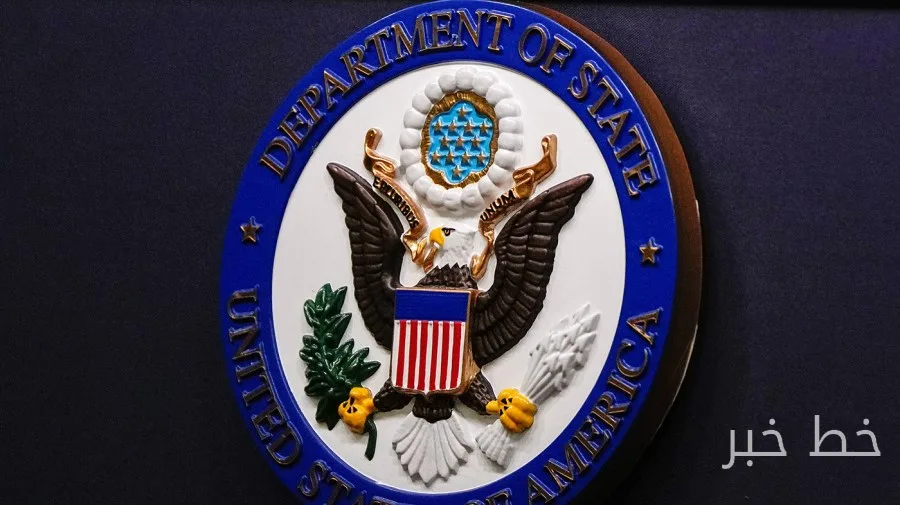
The U.S. State Department has instructed its diplomats to use the term "superintelligence" instead of "artificial intelligence" (AI) in all their communications. This directive was issued following a request from Donald Trump, the former President of the United States.
Reason for the Term Change
The Trump administration sought to change the name of artificial intelligence to superintelligence in order to enhance the image of this technology and emphasize its positive aspects. Some of Trump's advisors believe that the term artificial intelligence carries negative connotations and may raise concerns among the public. For this reason, they insist on using a term that conveys more positive perceptions of this technology.
Read more: Netflix Renewed Crew Girl for Season Two
Impact on Diplomatic Communications
This term change could have significant effects on how U.S. diplomatic communications are conducted. Diplomats typically refer to new and advanced technologies in their reports and speeches, and changing the term to "superintelligence" could represent a shift in the U.S. government's approach to these technologies. This change may also help strengthen international cooperation in the fields of technology and innovation.
This directive was sent in an email titled "Change in Naming AI to SI" to various departments within the State Department. Diplomats are required to use this new term in all correspondence, meetings, and speeches. This action reflects the government's emphasis on linguistic and semantic changes in official communications.
Social and Economic Implications
The change from artificial intelligence to superintelligence may also have social and economic implications. With increased attention to this technology and a change in how it is expressed, investments in related technologies may rise. Additionally, changing the public image of this technology could contribute to greater acceptance of it in society.
However, critics view this term change as an attempt to divert public attention from the real challenges and dangers associated with artificial intelligence. They argue that this change cannot alter existing realities and that more attention should be paid to issues such as privacy, security, and the social impacts of artificial intelligence.
Read more: Schools are Approaching the Use of Artificial Intelligence with Caution · Meeting Between Xi Jinping and Donald Trump Has Begun