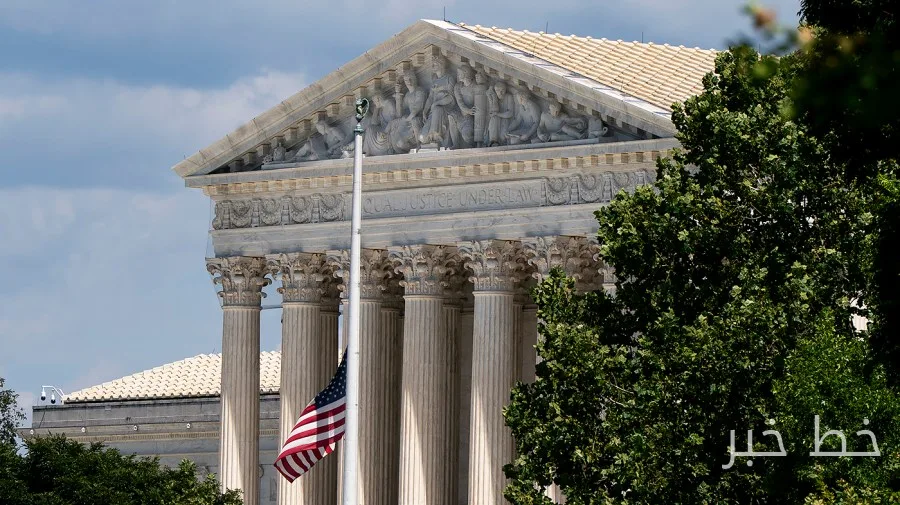
The U.S. Supreme Court has recently decided to address a zoning dispute in Kentucky, whereby a Catholic church was not allowed to build a religious shrine near its property. This dispute between the Missionaries of St. John the Baptist and local authorities has now been referred to the highest judicial body in the country.
Background of the Dispute
The Missionaries of St. John the Baptist, located in the suburbs of Cincinnati, were attempting to build a religious shrine next to their property. However, local authorities rejected this request citing zoning laws. This action prompted the church to file a lawsuit with the Supreme Court, asking it to review the legality of this restriction.
Legal and Social Dimensions
This case not only encompasses significant legal dimensions but also raises deeper questions about religious freedom and the rights of churches to build in local communities. If the Supreme Court rules in favor of the church, it may have implications for other churches and religious institutions across the United States. Conversely, if the ruling favors local authorities, it could lead to further restrictions on religious construction.
The U.S. Supreme Court responded positively on Thursday to the church's request to address this case. This decision means that the matter will enter the process of legal and judicial review and may soon lead to a trial session in the Supreme Court.
Potential Consequences
The outcome of this case could significantly impact how local authorities interact with religious institutions. If a favorable ruling is issued, churches may be able to continue their religious constructions with greater ease. This could help strengthen religious rights and individual freedoms in the United States.
Ultimately, this case is one of the important instances that clearly demonstrates how local laws can affect religious realities and individual rights, and the U.S. Supreme Court must handle these issues with care and attention.