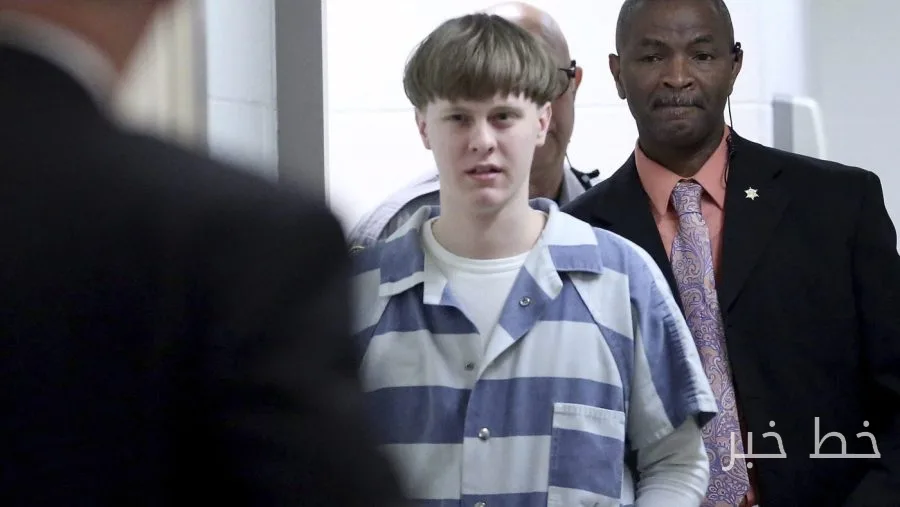
The U.S. Supreme Court on Monday, by rejecting the Charleston church shooter's request to remove his judge, Judge Richard Gergel, allowed the proceedings to continue. The shooter, who was sentenced to death for his deadly attack in 2015 on the African-American "Emanuel" church in Charleston, South Carolina, claimed that Judge Gergel had been biased during the trial.
Details of the Case and Shooter's Claims
The shooter, Dylann Roof, pointed out in his request that Judge Gergel had unfairly responded to his evidence and statements at various stages of the trial. He also criticized the judge's decisions regarding the acceptance or rejection of evidence and testimonies, claiming these decisions were unjust. However, the Supreme Court found that there was insufficient evidence to remove the judge from the case after reviewing these claims.
Read more: The Pentagon Removed All Its Bombers from RAF Fairford Base in Britain
Implications of the Supreme Court's Decision
The U.S. Supreme Court's decision means that the proceedings in Roof's case will continue, which includes subsequent stages such as the issuance of a final verdict and his sentencing. This decision also reflects the Court's support for the judiciary and the independence of judges in performing their duties. Reactions to this decision have varied among the legal and public communities, with some legal scholars viewing it as a sign of commitment to the principles of justice and fairness.
Currently, Judge Gergel is expected to continue reviewing Roof's new claims and the existing evidence in the subsequent stages of the trial. This case remains one of the controversial topics in the United States that has drawn significant attention.
Read more: Mark Ruffalo Protested Trump's Efforts to Restrict Voting Rights · The Supreme Court of the United States Started Its New Term with a Climate Change Case