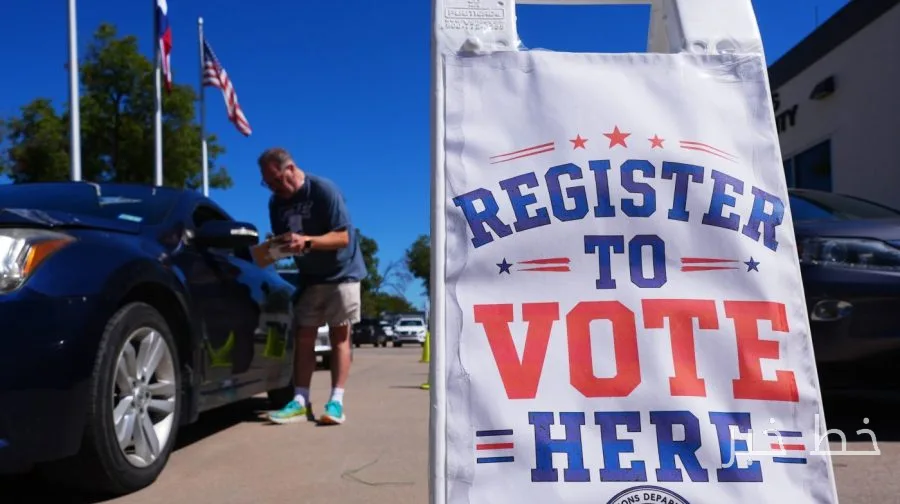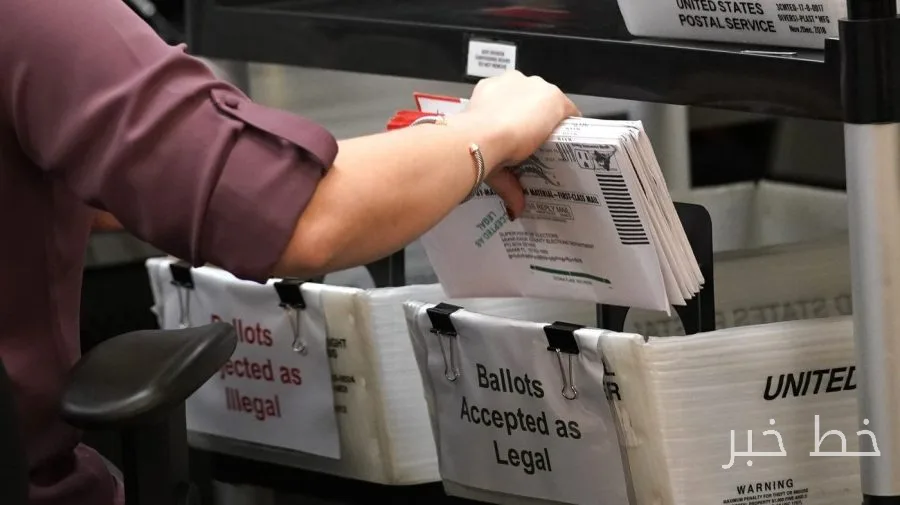
The U.S. Supreme Court (Supreme Court) on Monday, by rejecting the request of former President Donald Trump to implement the mail-in voting plan for the midterm elections, prevented the execution of this program. This decision was made following the opposition of two conservative justices of the court and resulted in upholding the decision of another judge who had declared the plan illegal.
Background of the Mail-In Voting Plan
This is the third time the Trump administration has attempted to bring this plan urgently to the Supreme Court. Various groups have prevented the implementation of this plan due to concerns about voting security. Trump's mail-in voting plan has faced serious opposition due to widespread criticisms regarding the possibility of fraud and inaccuracies in vote counting.
Read more: Friedrich Merz on the Brink of Political Crisis in Germany
Legal and Political Implications
The rejection of this plan by the U.S. Supreme Court signifies the continuation of conflicts regarding voting and electoral policies. Experts believe that this decision could have profound effects on future elections and also on how people participate in the voting process. Especially in a context where concerns about election security and the credibility of the voting system in the United States are increasing, such decisions could impact public trust in the electoral system.
Moreover, this decision could influence Trump's and the Republican Party's political positions ahead of the upcoming elections. Many political analysts believe that failure in this area could lead to a decrease in support for Trump and his electoral programs.
Read more: How to Watch the Swedish Elections Like a Professional? · Trump Administration: We Continue the War with Iran Without Regret