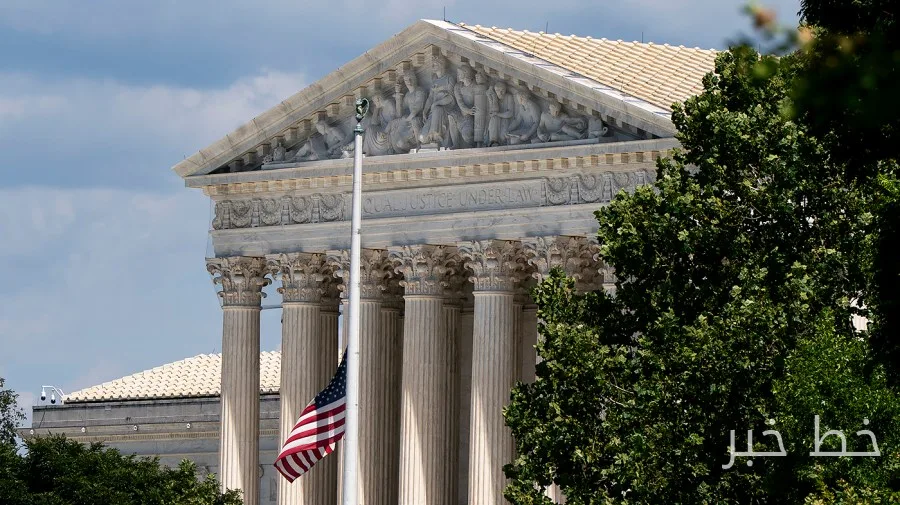
The U.S. Supreme Court announced on Monday that it will review the legality of the ban on home distilling of alcoholic beverages. This action follows a decision by a lower court that declared the legal restrictions related to home distilling, dating back to the Civil War, as illegal.
Legal Background of Home Distilling
The ban on home distilling in the United States dates back to the 1860s, when the government imposed strict laws to control alcohol production and prevent potential abuses. These laws were specifically designed to prevent unauthorized distilling and the production of alcoholic beverages without a license. However, in recent years, many individuals have turned to these activities for various reasons, including interest in home processes and organic products.
Read more: New Challenge in Germany's Working Hours Law with 12-Hour Shifts
Government Role and Concerns
The Trump administration has asked the Supreme Court to intervene in this matter. The government claims that the lower court's decision provided a limited and superficial analysis of the situation and could pose a threat to the enforcement of laws related to alcohol production. This issue has become particularly significant in the current climate of increasing demand for homemade beverages.
However, many advocates for individual freedoms argue that the right to distill at home should be recognized as a personal choice. They believe that outdated laws are no longer compatible with current societal conditions and should be revised. Meanwhile, some legal and economic experts emphasize that changing these laws could contribute to economic growth and job creation in the alcohol industry.
Potential Consequences of the Supreme Court's Decision
The Supreme Court's decision in this matter could have significant implications for the alcohol industry, home producers, and even local governments. If the Supreme Court overturns the ban on home distilling, it may lead to an increase in the production and sale of homemade beverages, providing opportunities for small businesses. On the other hand, if the ban is upheld, the government could use this decision to exert more control over the production and distribution of alcoholic beverages.
Ultimately, this case relates not only to the legal status of home distilling but also to the concept of individual freedoms and the right to choose in the United States. By reviewing this issue, the U.S. Supreme Court is once again addressing one of the fundamental legal and social challenges in the country and will assess its impacts on the daily lives of citizens.
Read more: Investment Conference in Berlin with Friedrich Merz Begins · Trump Administration Lifted Anti-Russia Sanctions