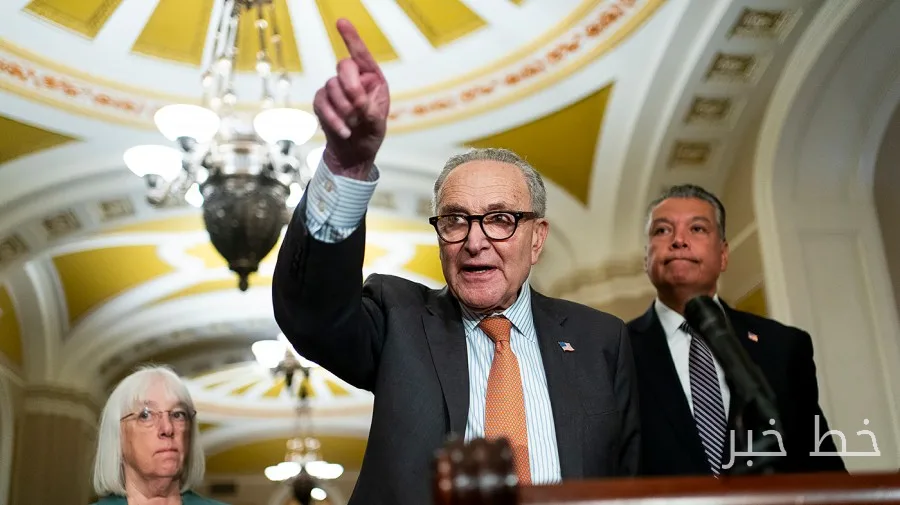
The White House has agreed to new ethical language in the Clarity Act, which was announced ahead of a crucial vote on cryptocurrency legislation in the Senate on Tuesday. This agreement includes a provision that prohibits government officials from issuing or supporting digital assets. The aim of this action is to increase transparency and prevent conflicts of interest in the realm of digital assets.
Details of the Clarity Act
The Clarity Act is presented as a significant measure for regulating the cryptocurrency market. This bill comes at a time when concerns about market volatility and its potential risks for investors and the overall economy are rising. The bill not only considers prohibitions for government officials but also seeks to create a legal framework for activities related to cryptocurrencies.
Read more: Stability of Inflation in America as Diesel Prices Exceed $6 per Gallon
Role of State Attorneys and the Department of Justice
The newly agreed provision allows state attorneys and the U.S. Department of Justice (DOJ) to oversee the enforcement of these laws. This action could lead to the establishment of a more effective regulatory system in the cryptocurrency market and help build public trust in this market. Given the rapid growth of this industry, developing appropriate and efficient regulations to protect public interests and investors is of utmost importance.
The White House's agreement on new ethical language in the Clarity Act is considered an important step toward transparency and oversight of the cryptocurrency industry. This action could serve as a model for other countries in regulating laws and regulations related to digital assets, especially as we have witnessed significant growth and severe fluctuations in the cryptocurrency market in recent years.
Read more: Labour Mayors in England: We Will Limit Tourist Tax to 5% · Death with Dignity Challenges: Access for 300 Million People to This Option