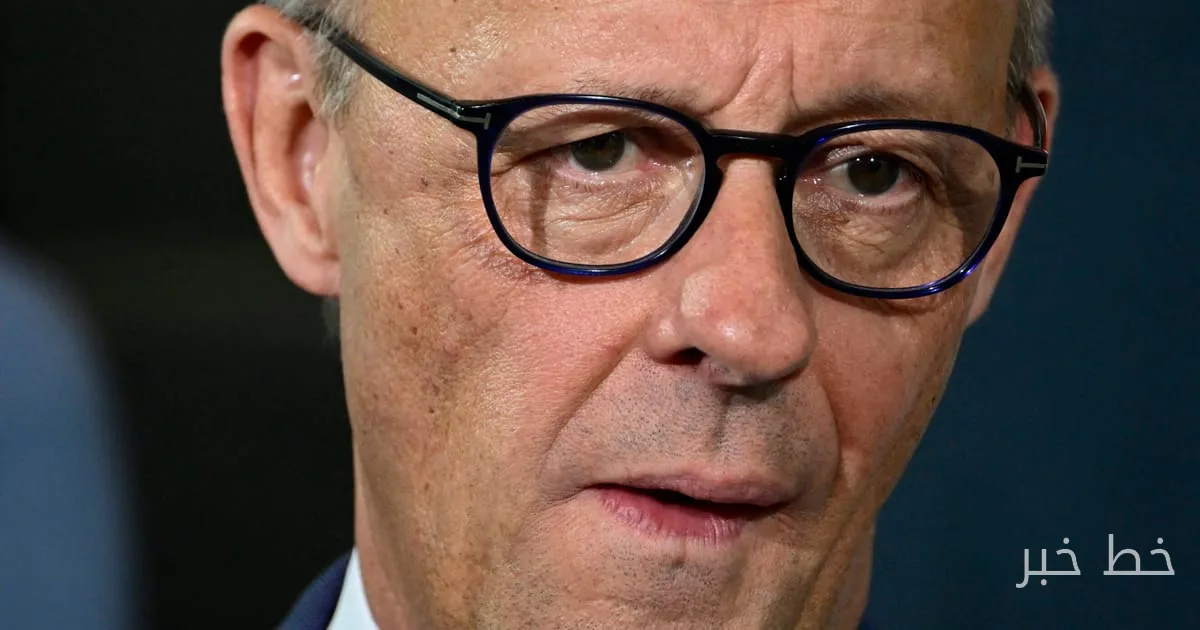
Tobias Rausch, the candidate from the far-right Alternative for Germany (AfD) party, has been elected as the spokesperson for the state parliament of Saxony-Anhalt. This election was carried out with 48 votes from 82 valid votes and with the help of the populist BSW party. With this election, Rausch becomes the first AfD member to hold this position in a state parliament in Germany.
Details of the election and the composition of the parliament
Rausch, 35 years old, reached this position with 39 seats in the parliament and the support of 5 additional seats from the BSW party. Other parties that are not inclined to cooperate with the AfD also hold 39 seats. This means that some members of non-AfD and BSW parties also voted for Rausch. Rausch, who is an entrepreneur in the real estate sector, has been serving as an AfD representative in the state parliament of Saxony-Anhalt since 2016.
Read more: Political and social crises in France on the brink of the presidential elections
Reactions and protests
Rausch's election was accompanied by several anti-AfD protests in front of the parliament building. This election comes at a time when Ulrich Siegmund, the main candidate of the AfD party, intends to run for the position of Prime Minister of Saxony-Anhalt in December after receiving 44 percent of the votes in the September elections. However, given the reluctance of other parties to form a coalition with the AfD, it remains unclear whether he will secure enough votes to form a government.
The AfD party has announced that it is in talks with the BSW party and some independent representatives to garner the necessary support. These developments indicate significant changes in the state politics of Germany and the increasing influence of far-right parties.
Meanwhile, Ursula von der Leyen, President of the European Commission, warned on Tuesday about major cuts in the next long-term budget of the European Union. She stated in the European Parliament in Strasbourg, "I know that balancing all these constraints is not easy. I am also aware of the difficult budgetary situation in member countries, but I want to warn against major cuts. These cuts could undermine the vital priorities we have all agreed upon."
Currently, negotiations are underway regarding the long-term budget for the period 2028-2034. The budget proposed by the European Commission is approximately €1.76 trillion. This budget is primarily funded through financial contributions based on the size of the economies of member countries.
Read more: Kaiser calls for the next President of Germany to be elected from the East · The Quebec party calls for a referendum on independence from Canada