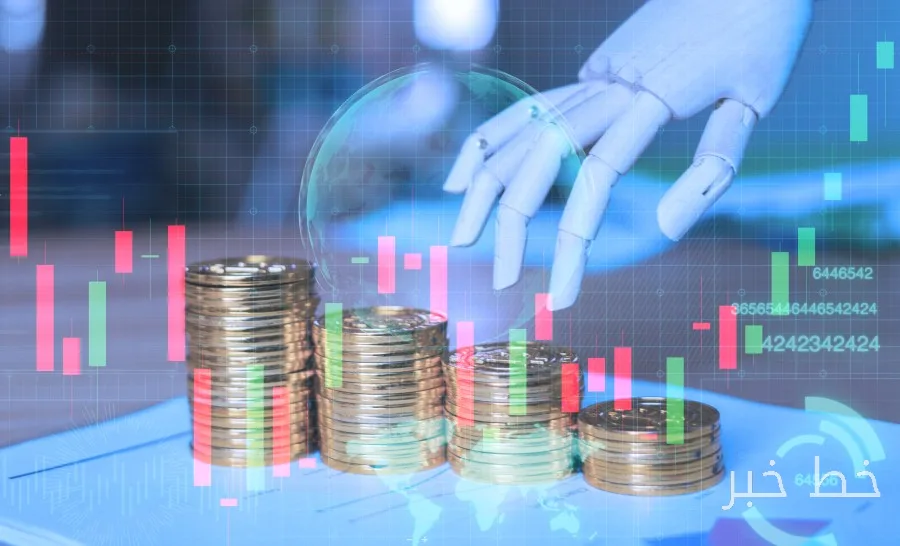
Research in the field of artificial intelligence shows that increased productivity can lead to the breakdown of existing systems. In a scenario where everyone becomes highly productive, no one can truly benefit from these advancements. This phenomenon raises serious concerns about its social and economic impacts.
Advancements in Artificial Intelligence and Their Challenges
Artificial intelligence is rapidly advancing, and its capabilities are continuously expanding. While these advancements can lead to improved performance in various industries, they also come with risks. One of these risks is that increased productivity may result in reduced job opportunities and economic inequalities.
Read more: Monica Kaldas Named Executive of the Year
Social and Economic Consequences
When everyone achieves high productivity simultaneously, the labor market may face serious challenges. For example, many jobs are currently being automated, which could lead to increased unemployment and income inequality. This situation may also exacerbate social discontent and economic tensions.
Moreover, if artificial intelligence is widely implemented across various industries, there may be a need for new skills in the labor market. These changes could pose additional challenges for individuals who do not adapt to the new conditions.
The Necessity of Planning and Management
To address these challenges, it is essential for policymakers and managers in various fields to engage in appropriate forecasting and planning. There is a need to create policies and educational programs to prepare the workforce for changes brought about by artificial intelligence. Additionally, attention to the equitable distribution of benefits arising from these advancements is of great importance.
Overall, research indicates that while artificial intelligence can lead to improvements in quality of life, attention must also be paid to its negative consequences. These challenges require a comprehensive and multifaceted approach to manage the effects of artificial intelligence on society.
Read more: Fiona Tan Named Manager of the Year