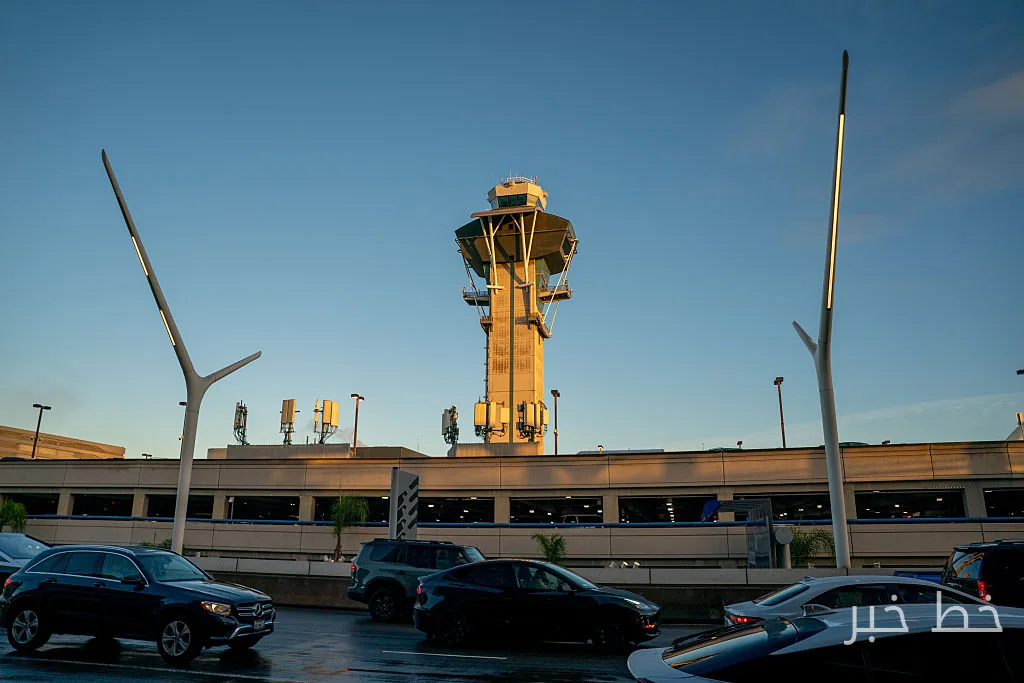
Transportation Secretary, Sean Duffy, on Saturday attributed the nationwide flight grounding to the upgrade of copper wires at a remote Federal Aviation Administration (FAA) center. According to him, the installation of fiber optic lines has led to serious communication disruptions.
Impact of Flight Grounding
According to FlightAware data, about 7,500 flights were delayed on Friday and over 9,000 flights were canceled. Approximately 1.5 million passengers were scheduled to take off from U.S. airports after 4 PM, just after the nationwide grounding began.
Read more: Fateh Biroal: The Energy World After the Iran War Will Never Be the Same
Existing Challenges
This incident raised questions about the causes of this historic grounding, which is only the second nationwide grounding since September 11, and what actions officials are taking to prevent it from happening again. Duffy stated, "We are working to determine whether there was inefficiency or if they installed a faulty router." On Saturday, nearly 6,000 additional flights were also canceled.
While investigations to identify the source of the problem continue, Brian Bedford, FAA Administrator, told reporters in Washington D.C. that disrupted flight schedules would return to normal by the end of Sunday and promised that "the worst is behind us." However, Duffy warned that what happened is not an isolated incident and that further disruptions are likely to continue until the outdated communication equipment in the air traffic control network is upgraded.
Funding Request for Upgrades
The Transportation Secretary requested $50 billion from Congress before the end of the year to upgrade air traffic control and airport infrastructure, increasing a recent administrative request of $30.1 billion, which includes $10.1 billion specifically for modernizing air traffic control.
However, it seems that mere financial support will not resolve the current FAA issues. These problems include a shortage of fully certified air traffic controllers, weaknesses in planning and coordinating necessary modernization efforts, and vulnerabilities to cyber threats.
Modernizing the FAA's air traffic control system has been a goal of the industry for years, with billions of dollars invested in the process. Edward Bute, an aviation attorney and pilot, referred to the NextGen modernization program, which began in 2003 and includes a shift towards satellite-based tracking and digital communications.
Read more: Mercedes-Benz Halts All Investments in German Facilities · John Harris Reduces Costs of Electrifying Commercial Fleet with Harbinger Motors



