The Donald Trump administration has recently used the shadow docket of the Supreme Court of the United States to advance its goals. This docket allows the administration to file requests for expedited review in the Supreme Court during emergencies, and it seems that Trump has extensively taken advantage of this opportunity.
New Supreme Court Rulings
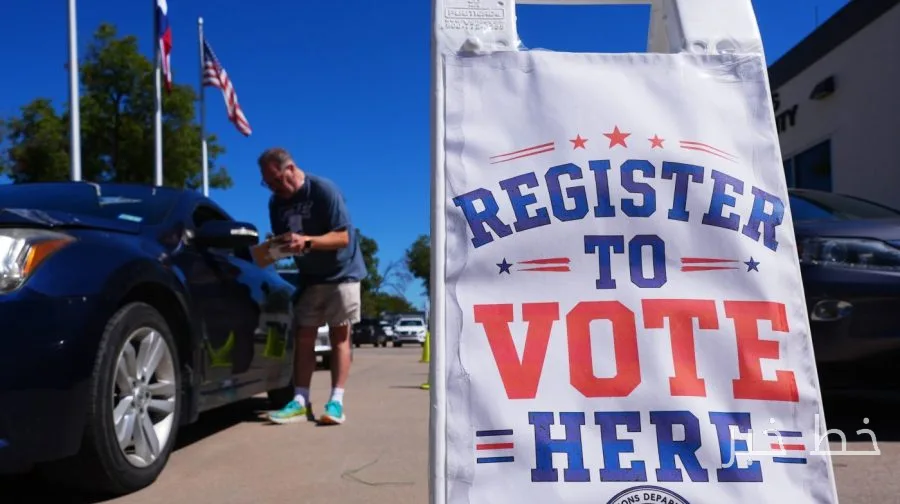
On Tuesday, the Supreme Court of the United States issued an emergency ruling that allows Trump to resume deportations of immigrants to third countries other than their own. This ruling temporarily blocks a decision from a lower court. A few days prior, in response to another emergency request from the Trump administration, the Supreme Court authorized the use of the controversial Department of Homeland Security database to verify voter eligibility ahead of the November midterm elections.
Read more: Support from some Republicans for Democratic candidates in the midterm elections
Criticism of the Shadow Docket
The rulings issued from the Supreme Court's shadow docket have faced significant criticism due to a lack of transparency and failure to provide written justifications. Liberal justices on the court have publicly expressed their opposition to these cases. According to legal experts, the Supreme Court has been more lenient in comparison to the past in responding to the Trump administration's repeated requests for emergency assistance, allowing Trump to advance his executive agenda with fewer legal constraints than previous presidents.
Legal experts believe that the Supreme Court has often failed to demonstrate that Trump’s requests meet the criteria for emergencies and has simply granted his requests. They argue that this situation allows the administration to take actions that may be illegal without the Supreme Court showing any indication that these actions are problematic.
Pressure on Lower Courts
The Supreme Court of the United States is not required to provide legal justifications similar to those of lower courts, which allows it to disregard evidence or analysis presented in previous lower court decisions. This, according to experts, diminishes the ability of lower courts to oversee the actions of the President and grants the administration greater power. In fact, this process means disregarding the efforts of lower courts to thoroughly and legally examine the cases referred to them.
The Trump administration has submitted numerous requests to the shadow docket in a short period. While President Obama had only three requests during his two terms, Biden has made 19 requests, and Trump had 41 requests during his first term. He has submitted the same number of requests in his second term and has faced a high success rate.
Since Trump's return to the presidency, the Supreme Court has issued 32 decisions regarding shadow docket rulings related to his administration, 24 of which have been in favor of the administration. These rulings have allowed Trump to continue implementing measures related to immigration restrictions, cost reductions, and challenging construction projects.
Read more: Greg Stanton criticized Ken Paxon's statements about the Republican convention · Donald Trump supports Republican candidates in Oklahoma and Texas