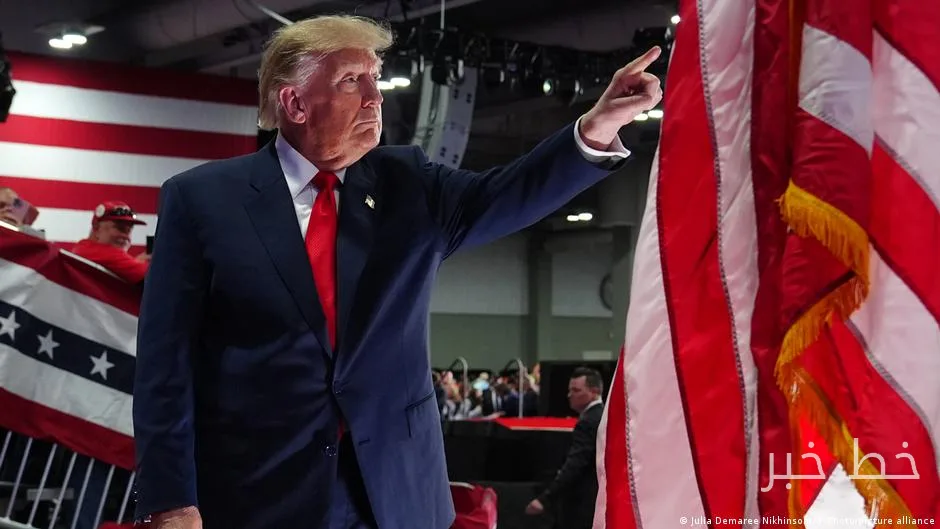
The Donald Trump administration hosted a formal dinner at the White House on the second day of Xi Jinping's visit, the President of China. This event served as an opportunity to strengthen bilateral relations and economic discussions, and included the presence of senior executives from some of the largest technology companies in the United States.
Grand Ceremony at the White House
At this meticulously planned dinner, around 25 CEOs from major technology companies, including Apple, Microsoft, and Amazon, were present. This meeting was held to discuss economic and trade cooperation between the United States and China, providing an opportunity to strengthen the trade relations between the two countries.
Economic and Political Discussions
During this dinner, Trump and Jinping discussed key economic and political issues. The two countries are seeking new ways to enhance trade cooperation and reduce existing tensions in their relations. This event is also seen as a symbolic statement of both countries' willingness to collaborate in various fields.
The presence of senior technology executives at this event underscores the economic significance of this meeting. Many of these companies are looking to expand their markets in China, and this meeting could help bolster those efforts.
While trade tensions between the United States and China have increased in recent years, the Trump administration hopes that this dinner will serve as a milestone in the relations between the two countries. This meeting could lead to a reduction in tensions and improvement in cooperation, as both sides seek common economic interests.
Ultimately, this formal dinner was not only a social event but also an opportunity for dialogue and exchange of views on the future of U.S.-China relations. The outcomes of this meeting are expected to influence future negotiations and trade agreements.