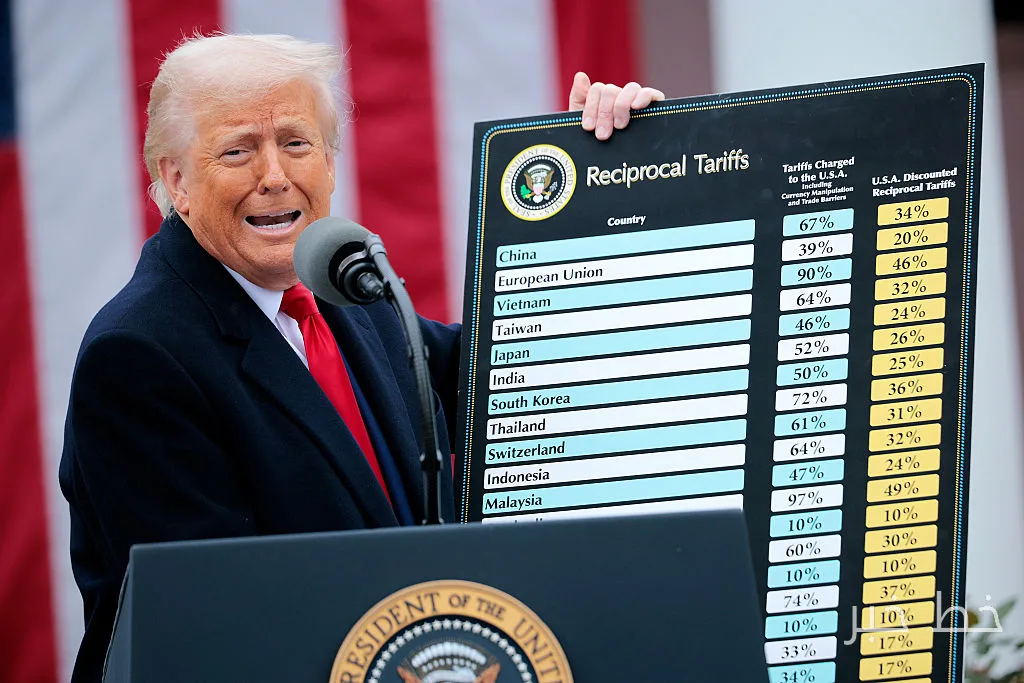
The Trump administration has introduced new tariffs on 14 major trading partners, including China and the European Union, which could escalate global trade tensions again.
New Tariffs and Their Impact
China will face the highest tariff rate, with tariffs up to 20 percent on most affected goods. This rate may increase to 40 percent if Beijing does not adhere to the trade agreement signed last year between Beijing and Washington.
Read more: The U.S. sanctioned 8 Iranians and 22 companies linked to Iran
The European Union is also facing a proposed tariff of 15 percent, which may rise to 20 percent if current trade agreements are not respected. These tariffs are the result of an investigation conducted by the Office of the United States Trade Representative, Jamison Greer, which pointed to unfair trade practices and excess production capacity that have put American manufacturers at a disadvantage.
Reactions to the Tariffs
A spokesperson for the European Commission stated that the Commission will review the report from the U.S. Trade Representative but denied any claims regarding Europe's role in excess production. The new tariffs also target other major economies, including Japan and South Korea, which will face rates up to 15 percent.
The Trump administration has also proposed a separate plan to increase tariffs on sugar and aircraft exports from Brazil. These tariffs will be applied under Section 301 of the Trade Act of 1974, which allows the government to investigate unfair trade practices abroad and impose tariffs based on its findings.
Despite these broad proposals, Greer downplayed concerns about the impact of these new tariffs on the global economy, stating, "We have talked to our trading partners about this issue, and they are aware of our proposals."
China has also expressed its opposition to "trade wars" prior to the announcement of these tariffs and denied allegations regarding its role in excess production capacity. According to a spokesperson for the Chinese Foreign Ministry, "The so-called 'excess capacity' issue is a false topic, and China opposes using it as a pretext for political manipulation."
Read more: Volkswagen has started legal negotiations with the IG Metall union · Andy Burnham addressed the reopening of the Brexit discussion in Britain



