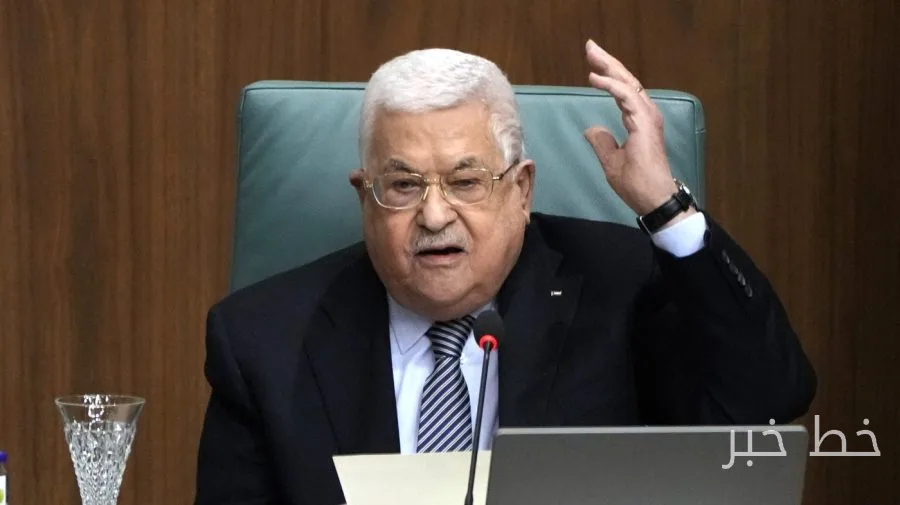
The Trump administration on Wednesday rejected the visas of the Palestinian Liberation Organization (PLO) and the Palestinian Authority (PA) to participate in the United Nations General Assembly in New York. This visa rejection occurs for the second time in over a year, and the U.S. Department of State has cited the failure of these two entities to meet their commitments as the reason.
Reasons for Visa Rejection
The U.S. Department of State has stated that the Palestinian Liberation Organization and the Palestinian Authority have failed to fulfill their commitments under previous agreements. This decision clearly reflects the ongoing tensions between the United States and Palestinian entities and affects the diplomatic relations between the two parties. This action has raised concerns, especially at a time when the international community is seeking sustainable solutions to the Israel-Palestine conflict.
Consequences of This Decision
The rejection of visas could have profound effects on the relations between Palestinians and the United States. This action may lead to increased dissatisfaction among Palestinians and hinder diplomatic efforts to achieve peace and stability in the region. Additionally, the absence of Palestinian representatives at the United Nations General Assembly could result in a diminished voice on global issues and a lack of attention to their demands.
This decision by the Trump administration comes at a time when some experts and analysts believe that such policies only exacerbate tensions and distrust in the region. Criticism of these policies from international organizations and non-governmental organizations is also increasing, with calls for a change in the U.S. approach to the Palestinian issue.