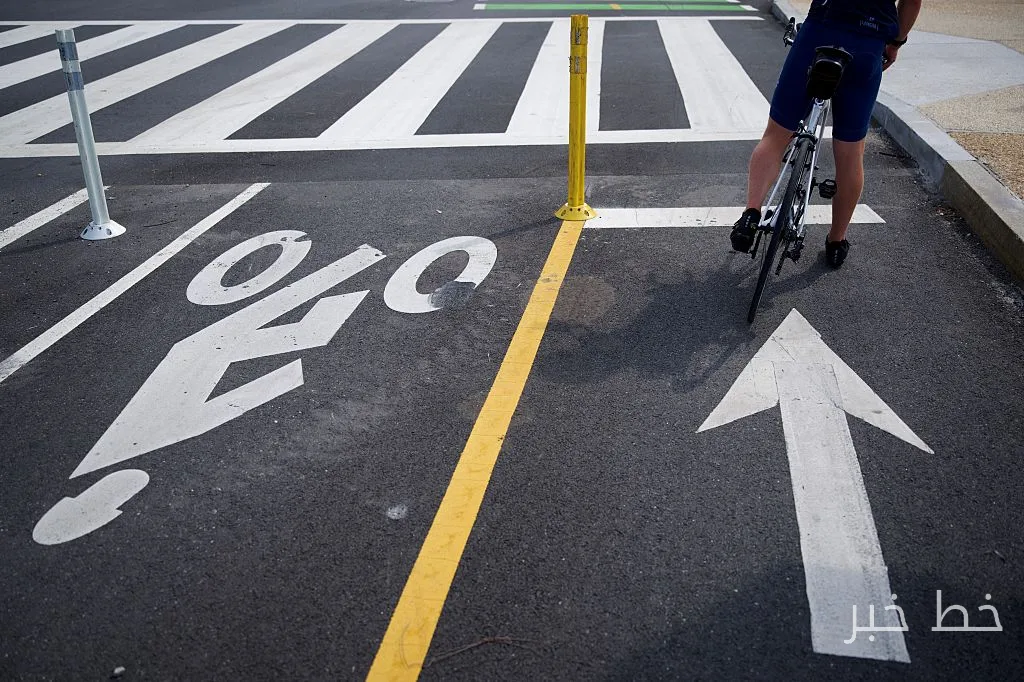
Donald Trump's administration and Pastor A.D. Cunningham from the United Church of Prayer for All People (a predominantly Black church in Washington, D.C.) have criticized the bike lanes in the city. These criticisms clearly illustrate the diversity among opponents of bike lanes in America, suggesting that the opposition is widespread and includes various groups.
Bike Lanes and Social Criticism
Transportation Secretary Sean Duffy's criticism of funding for "DEI bike lanes" recalls the book "White Bike Lanes." This book argues that support for biking has traditionally been dominated by white advocates and that these lanes are seen as symbols and even magnets in Black communities. Over the past century, bike lanes have evolved from mere painted surfaces to symbols of social change.
Read more: Cook Political Report Changes Senate Race in New Hampshire in Favor of Republicans
Bicycles gained immense popularity in the 19th century, with many hoping that this vehicle would become a democratic force that opened new spaces for women and provided mobility for all. However, criticisms of cyclists from other groups, especially among whites, were prevalent, leading to the proposal of separating traffic with dedicated bike lanes.
Inequality in Biking and Culture
Today, while biking is considered a symbol of social and cultural class, only 30 percent of all bike trips in America are made by women. Economic and cultural inequalities exist among different racial groups as well. For instance, only 0.6 percent of whites use bikes for commuting, while this figure is 0.3 percent for the Black population.
These inequalities clearly highlight the structural and cultural challenges that need to be addressed. Nevertheless, working to rectify inequalities and encouraging groups that currently do not bike does not need to be contentious and should not become a controversial issue.
The solution to increasing the number of cyclists lies in creating better and smarter biking infrastructure. The primary reason people avoid biking is the feeling of insecurity. Bike lanes, especially protected ones, can clearly overcome this issue. Currently, few people commute to work by bike, whether rich or poor.
The criticisms from the former president and Pastor Cunningham regarding bike lanes stem from a misunderstanding of the real issues. Traffic in Washington, D.C. is severely problematic, and the city is under significant pressure due to its large population and numerous vehicles. In such conditions, bicycles, which are lightweight, efficient, and safe, can be an effective solution to traffic and transportation issues.
Read more: Kash Patel Testifies on FBI Oversight in Senate Judiciary Committee · Russia and Ukraine Continue Attacks Despite Trump's Claims