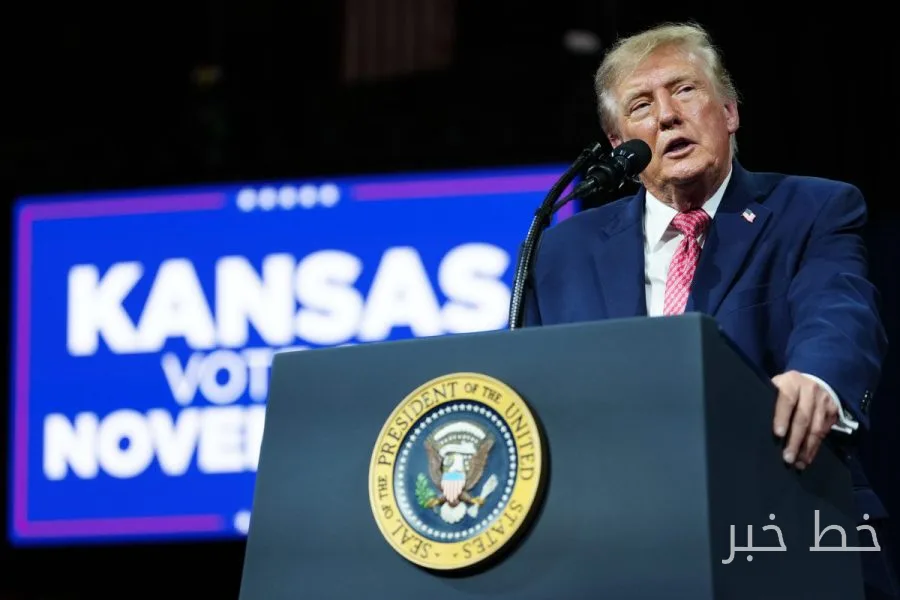
The Trump administration announced a program on Monday for one-time payments to farmers. These payments are designed to help farmers offset the high diesel costs during this year's harvest season. However, it appears that this program will not have an immediate effect on the market.
Payment Program Details
The program includes the allocation of $8 billion to farmers, helping them to cover some of the additional costs arising from high fuel prices. Given the recent rise in diesel prices, many farmers are facing serious financial challenges, and this measure allows them to alleviate some of the financial pressure.
Expectations and Consequences
Despite these financial aids, experts believe that the impact of this program may not be immediately noticeable. Many farmers will continue to be under pressure due to unstable economic conditions and market fluctuations. Meanwhile, the costs of securing raw materials and equipment have also risen sharply.
Some analysts believe that this program can be seen as a positive step towards supporting farmers, but addressing the fundamental and structural issues in this sector requires more long-term measures and policies. These payments may only be a temporary solution, and more comprehensive actions are needed to ensure sustainability in this industry.
The Role of Agriculture in the Economy
Agriculture is one of the main pillars of the U.S. economy, and any fluctuations in this sector can have widespread effects on the overall economy of the country. It is expected that with rising fuel costs, more pressure will be placed on local producers, consequently affecting food prices as well.
The Trump administration hopes that this action will help farmers return to better production conditions while preventing price increases. However, the existing challenges in this industry will remain and require more attention.
Read more: Federal Emergency Management Agency Considers Changes to Its Structure