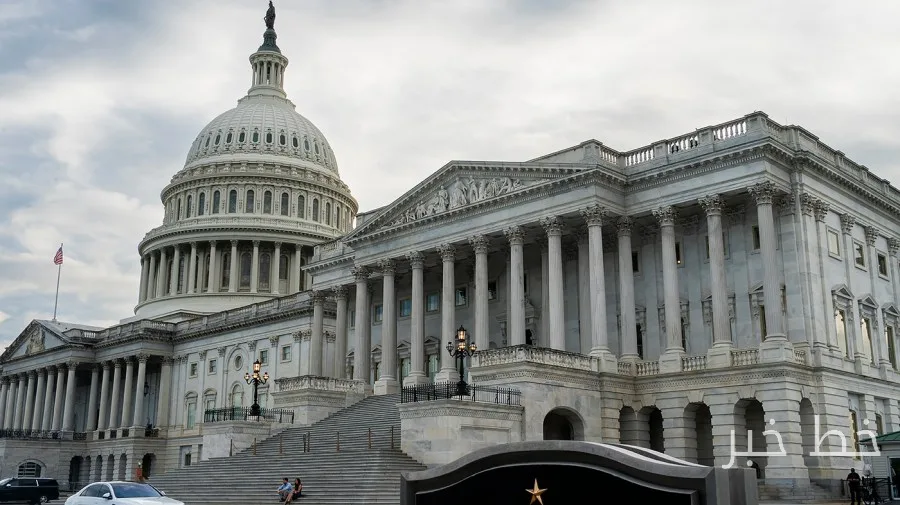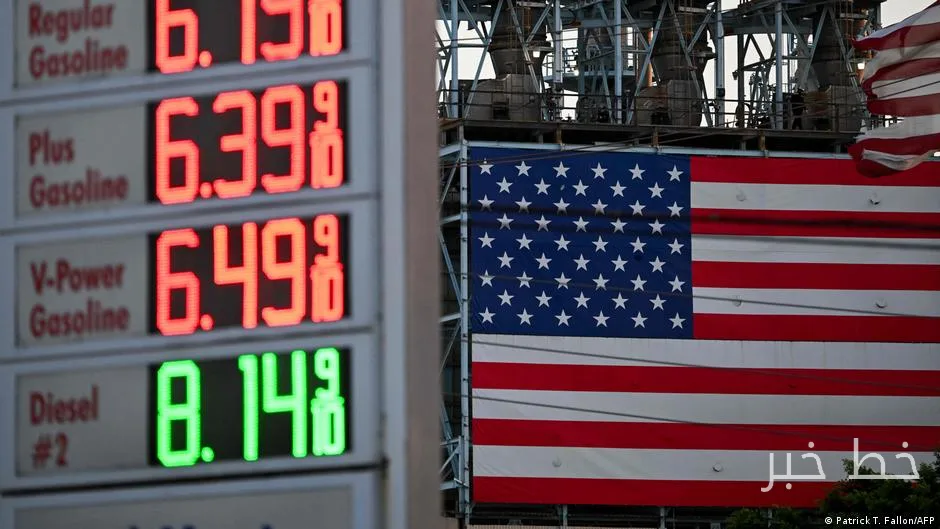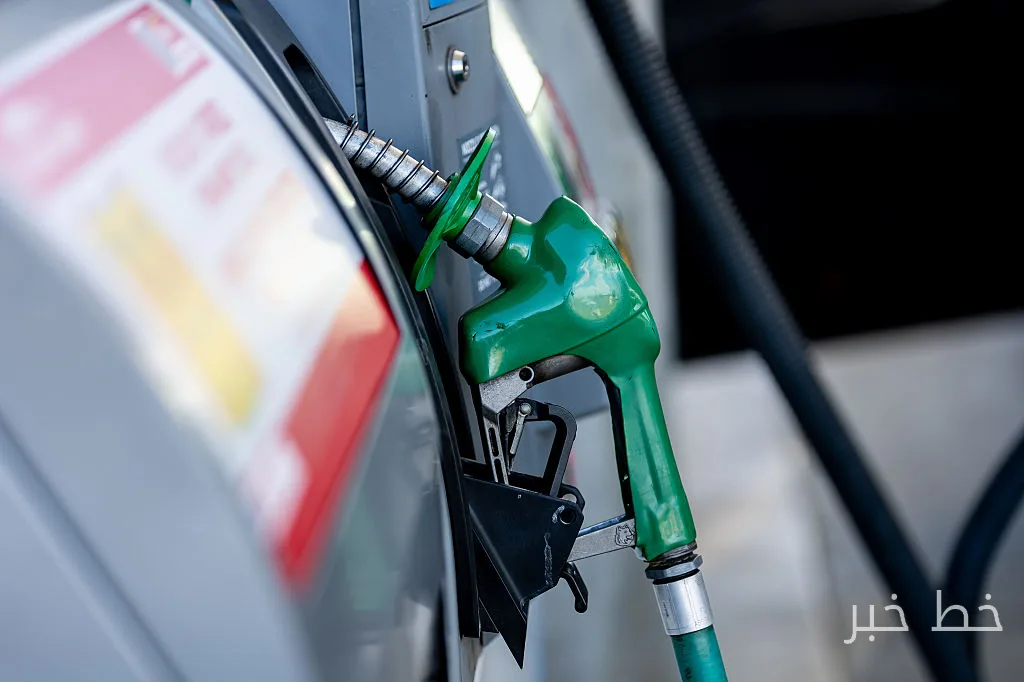
The United States government is examining the possibility of a temporary ban on diesel exports as a measure to reduce costs. This decision comes as fuel prices at the pumps have reached their highest levels since the start of the war in Iran.
Rising Diesel Prices and Their Effects
President Donald Trump said in a meeting with Volodymyr Zelensky, the President of Ukraine, "Let's not export diesel - we produce a lot of diesel." He added that this action could have a positive impact on the price of regular gasoline. Diesel prices reached an average of $6.53 per gallon on Tuesday, which is 90 cents higher than last month and a significant increase from $3.75 before the war.
This increase in prices could impact the global economy, as diesel powers most heavy agricultural and industrial machinery as well as transportation. High diesel costs also add to the cost of moving goods and could worsen inflation.
Proposals and Opposition
Trump referred to comments by Scott Basset, the Treasury Secretary, who said the government is examining the feasibility of a diesel export ban. However, it is unclear whether the government will make a decision on this matter. Chris Wright, Trump's Energy Secretary, stated in an interview that the United States is exploring all options to reduce prices but warned that energy must be kept flowing as much as possible to manage shortages.
The rising costs are problematic for Trump, who is increasingly facing popularity challenges ahead of the November midterm elections. Some voters believe that the U.S. economy has suffered under Trump's policies.
The United States is one of the largest producers and exporters of diesel in the world. Data shows that American refineries produce about 5.3 million barrels of distillate fuels daily. Diesel exports reach about 1.5 million barrels per day, which is nearly one-fifth of the approximately 8 million barrels traded daily by sea.
Many Republican lawmakers advocating for a diesel export ban believe that this action could help American consumers. Last week, Tim Burchett, a representative from Tennessee, proposed measures to control diesel exports to reduce costs, stating that such actions could lower prices and help Americans keep more money in their pockets.
Analysts from the Atlantic Council think tank wrote in a memo that such a ban would likely create more problems than it solves. While this ban would likely reduce prices for consumers on the Gulf and Midwestern coasts, it may increase prices for residents on the West Coast.
Gert Golding, Vice President of the Federal Reserve Bank of Dallas, stated that even with rapidly falling diesel prices, an export ban could tighten global balance and lead to price increases that would return to the East Coast and, to a lesser extent, the West Coast.
Refineries would also need to reduce their operating rates, which could lead to lower production of gasoline, jet fuel, and other refined products, consequently increasing prices. Additionally, analysts warned that this ban could have effects beyond the United States and raise international diesel prices.