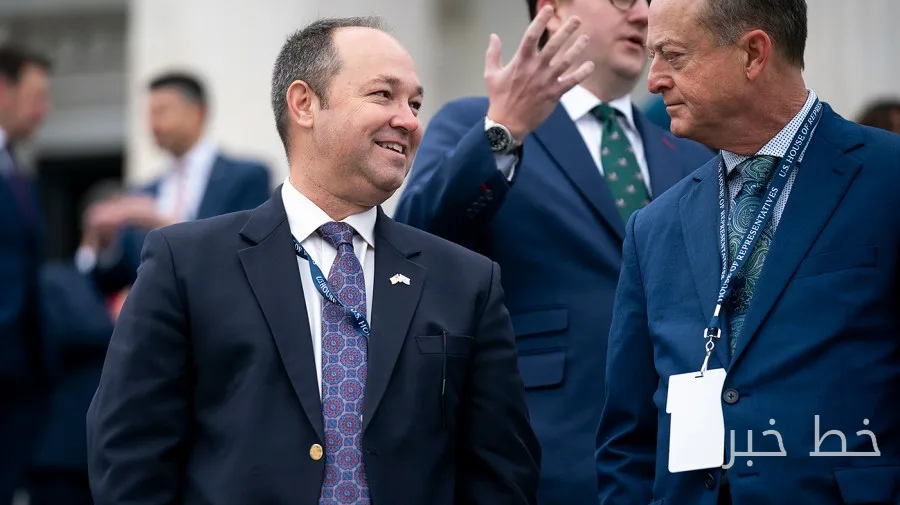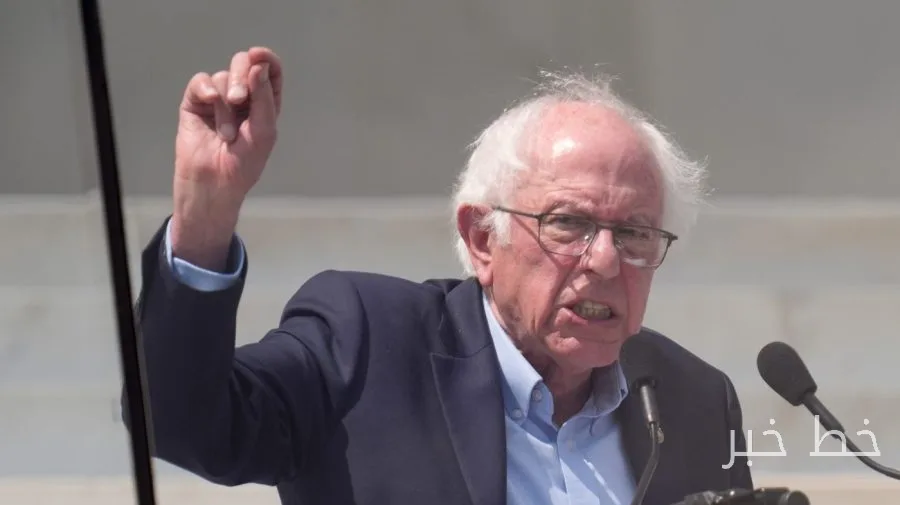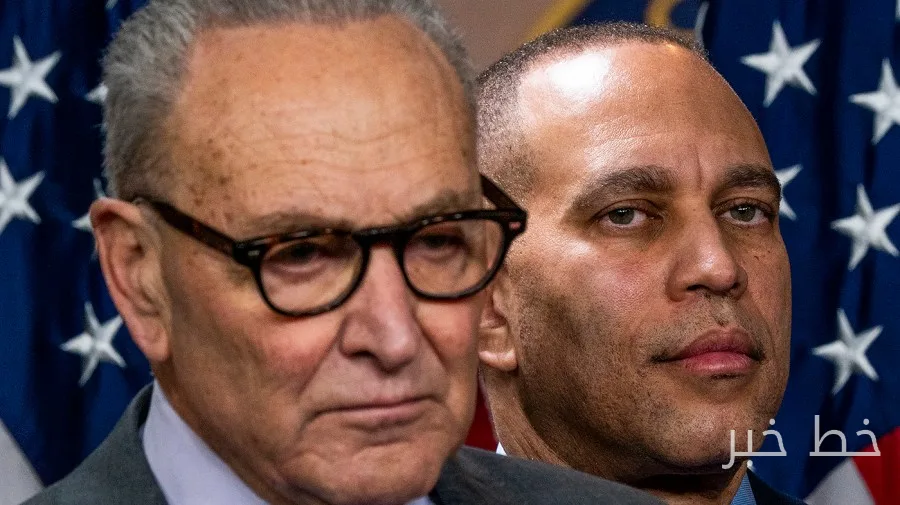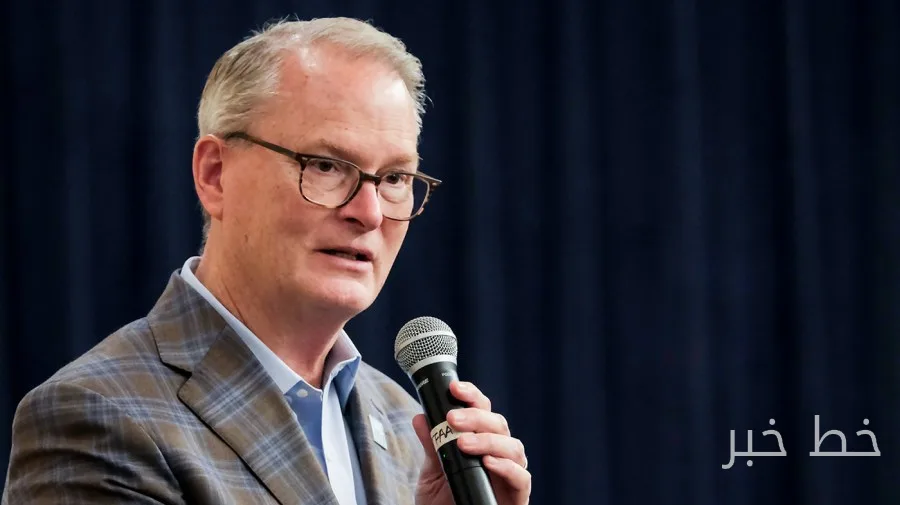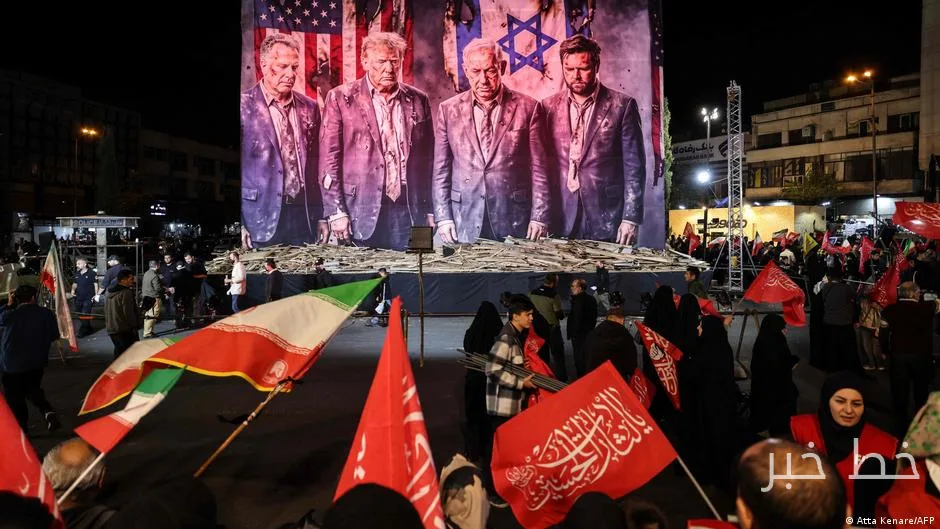
Donald Trump, the President of the United States, after the significant defeat of the Republican Party in the recent midterm elections, pointed out that the war with Iran likely played a role in this loss. Trump told the media, "In my opinion, part of this issue relates to Iran, but at the same time, people understood the importance of the actions I have taken regarding Iran." He acknowledged that American voters are reluctant to accept the impacts of war on fuel prices.
Impact of War on Foreign Policy
Analysts say that the United States and Israel will not carry out any major attacks on Iran until after the elections. At the end of October, a report from the Wall Street Journal revealed that the Trump administration had warned Gulf governments to prepare for a short and intense military campaign after the elections. While foreign policy is under the control of the President, analysts have pointed out that a Congress controlled by the Democratic Party could seemingly halt funding for Trump's military operations. However, newly elected Democratic representatives will not begin their work until early next year.
Read more: Nikki Haley Is Wrong About the Democrats' Victory
Consequences for Gulf Countries
Analysts also emphasized that American presidents who lose control of Congress typically turn to international interventions. According to two political science professors, they often resort to foreign policy to freely use presidential power. Meanwhile, Trump also told several media outlets that he is "in no rush" to start bombing Iran again.
Opinions on potential Iranian actions also vary. Iranians have stated they are ready for any attack, and their leadership indicates they may be willing to target a broader range of objectives. This could include regional economic and energy infrastructure and even undersea communication cables. If Iran feels there is a serious threat to its leadership, it may take different actions in the Gulf countries.
On the other hand, some experts believe that Iran is deliberately trying to pressure Trump and may now be more inclined to negotiate for a peace agreement after the elections. This situation places Gulf countries, which have been the primary targets of Iranian attacks since the beginning of the conflict, in a difficult position. Anwar Gargash, a foreign policy advisor to the leadership of the United Arab Emirates, said at a security conference in Bahrain, "We are clearly seeking a political solution."
Qatar is trying to mediate between the United States and Iran, but is also conducting emergency drills at its airport. Meanwhile, Saudi Arabia is looking at a war on two fronts and is currently under attack from the Houthis in Yemen. Even Egypt has reacted to this issue and is reportedly strengthening its air defenses around the Suez Canal.
However, regardless of what happens, the U.S.-Israel-Iran war has caused Gulf countries to reassess their defense partnerships with the United States. While American bases have turned them into targets instead of security, Hassan Hassan, a senior fellow at the International Institute for Strategic Studies, said, "There is widespread frustration with the United States across the region."
The Gulf countries are moving towards strategic self-sufficiency, with the UAE getting closer to Israel and Saudi Arabia entering into a defense agreement with Pakistan and Turkey. Andreas Krieg, a professor at King's College London, wrote, "A Trump who is now leaving power will accelerate this trend."
However, some believe that a Congress controlled by Democrats may make the United States a more reliable partner. Krieg advises Gulf countries to unite to pressure the United States not to attack Iran and then negotiate a non-aggression pact with Iran without U.S. involvement. However, the possibility of such unity in the Gulf seems doubtful.
Read more: Emily Hanford Leads Fundamental Changes in Reading Education · Free Media in America Remains Resilient Amid Trump's Challenges