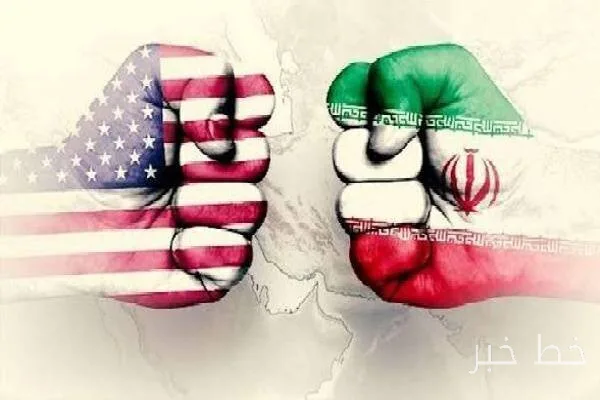
The Iran war, which began with the military aggression of the United States and the Zionist regime, has reached a strategic deadlock. Western officials and American media acknowledge that the declared objectives of this war have not been achieved and have faced military and political failures. This war, which started with widespread attacks and the massacre of civilians, including innocent students, has had extensive humanitarian, security, and economic dimensions.
Analysis of the War Situation and Officials' Positions
Lloyd Austin, former U.S. Secretary of Defense, stated at the Warsaw Security Conference that there is currently "no easy way out" of the Iran war. He mentioned that both sides believe they can endure longer than the other, and resolving the dispute requires "expert diplomacy." Austin also pointed out that the U.S. and Iran have hardened their positions, and despite economic pressure on Iran, Tehran has become accustomed to such pressures.
Trump has repeatedly spoken about the progress of both sides, but despite his threats, he has achieved no results. According to Austin, the war has damaged the region's infrastructure and devastated U.S. bases. He also emphasized that the Persian Gulf will "never" return to the pre-war status.
Consequences of the War and Global Analyses
Scott P. O'Neill, U.S. Secretary of the Treasury, mentioned in a television program about the Iran war that the end of this war is unpredictable, and similar to the fall of the Berlin Wall, the future of this war is also uncertain. The Iran war, which is not popular among the American public, has increased energy costs, and the Strait of Hormuz, as a key oil export route from the Gulf, has been closed. This war and its consequences have become a central issue in the midterm elections.
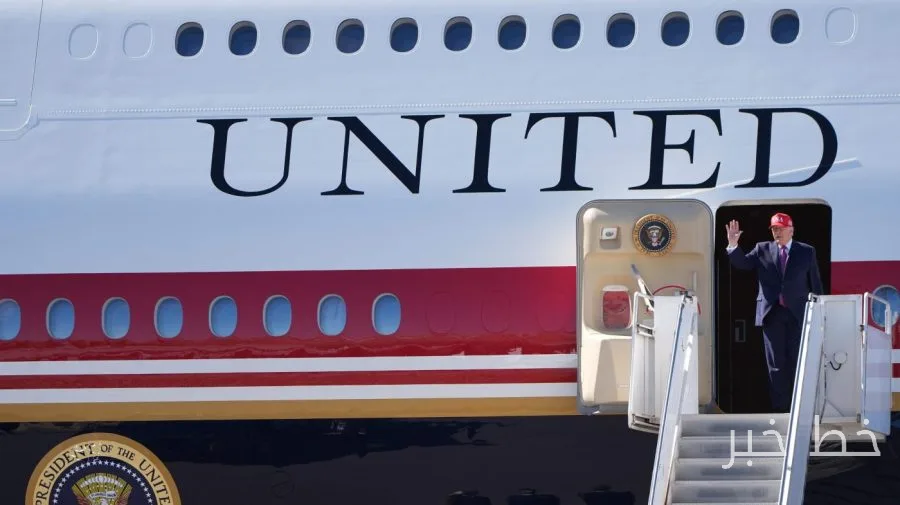
Trump had predicted that the war would last a few weeks, but despite internal political pressure, he has not been able to find a way out. He recently announced that the war would end soon after the midterm elections, but he has made vague statements about how that will happen. Meanwhile, the U.S. Department of Defense has updated the number of American soldiers killed in the Iran war to 21.
In another analysis, Foreign Affairs magazine pointed out that Iran's resistance in the war against the U.S. and Israel stems from Washington and Tel Aviv's reliance on long-range air and naval campaigns. The magazine concludes that the air campaign against Iran is an example of the misuse of air power, and the U.S. should not abandon its air superiority as a deterrent against Russia and China.
Meanwhile, due to its friendly relations with Iran, Russia can play an effective role in ending the war. Dmitry Medvedev and Vladimir Putin have emphasized the necessity of a diplomatic resolution to the Iran-U.S. dispute. Strategic cooperation between Tehran and Moscow in various fields could pave the way for Russian mediation.
Finally, a writer in Raialyoum emphasizes the importance of distinguishing between the homeland and the government, arguing that an attack on Iran is an attack on its country and people, not just the government. He points out that Shia culture and Iranian identity influence all individuals, even non-religious ones.
Read more: Hezbollah Begins Housing Compensation Program for Affected Families · Josh Turk and Ashley Hinson Compete in the Second Iowa Senate Debate