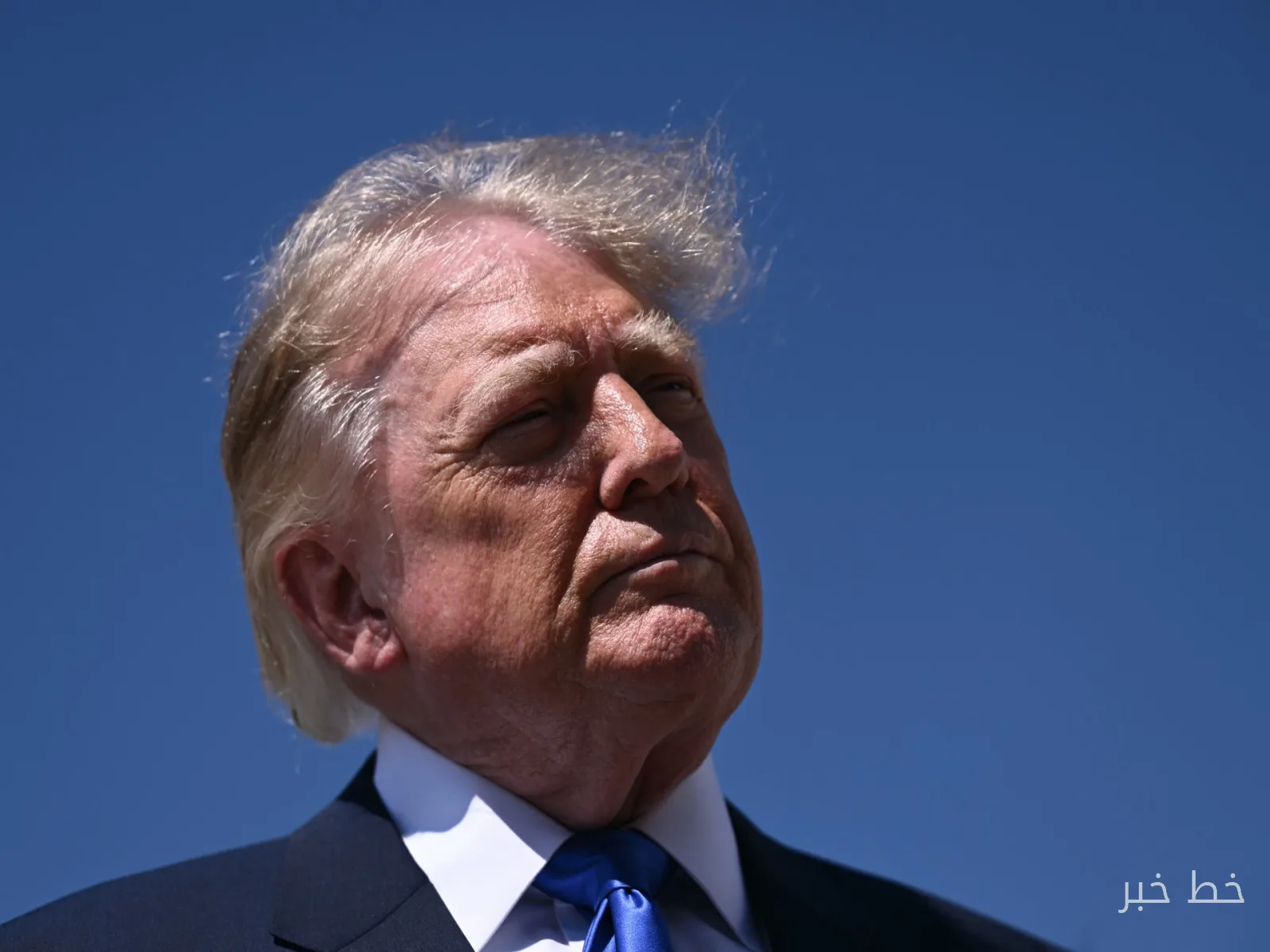
As the world awaits the results of the U.S. midterm elections, the President unexpectedly announced that the war with Iran will end immediately after these elections. These remarks come as tensions between the two countries have reached a peak, raising many questions about the future of diplomacy and military interactions.
Prospects for Negotiations and Peace
Trump stated that the United States is not seeking to resume negotiations with Iran and referenced previous failures regarding ceasefires. These comments clearly reflect his view on diplomatic approaches that seem no longer to be on his administration's agenda. Instead, the President emphasizes an immediate end to hostilities, which could signal a shift in U.S. foreign policy strategy.
These statements could be interpreted as a political move ahead of the midterm elections. Many believe that Trump is trying to garner voter support with these grand promises, while others argue that such remarks are merely a show to establish calm in a crisis situation.
Potential Consequences for the Region
Although Trump has explicitly stated that the war with Iran will soon end, the implications of this decision for the Middle East could be profound and far-reaching. The U.S. withdrawal from a state of war may give Iran the opportunity to more seriously pursue its plans for expanding influence in the region. This comes as many countries are deeply concerned about the balance of power in the Middle East.
Ultimately, these remarks not only reflect Trump's approach toward Iran but also indicate the increasing tensions between the United States and regional powers. In the coming days, it remains to be seen whether these promises will materialize or remain merely as a campaign tool in the midterm elections.