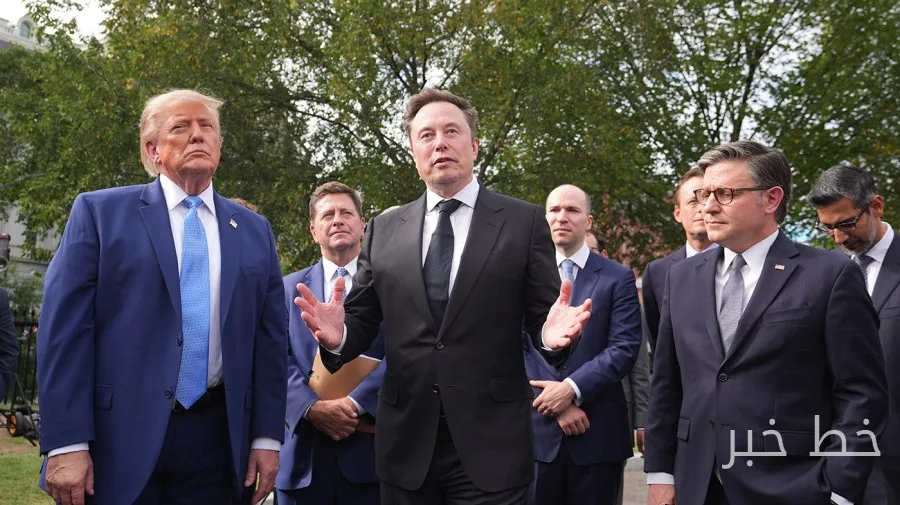
President Donald Trump and several technology leaders recently signed an agreement on artificial intelligence, but this action has not addressed existing concerns about the lack of adequate regulations in this area. Trump claims that industry officials can self-regulate, but critics argue that more actions are necessary to ensure control over the development of artificial intelligence.
Concerns About Lack of Regulations
While the AI agreement is seen by Trump as a positive step, many experts and critics point out that this self-regulation may be insufficient. The rapid development of artificial intelligence technologies can lead to unintended and dangerous consequences. For example, the use of AI in sensitive decision-making can exacerbate discrimination and inequality.
Need for Stronger Actions
Critics believe that merely relying on self-regulation of industries is not enough, and stricter regulations are needed. Meanwhile, some technology leaders also agree that there should be more oversight over the development of artificial intelligence. This could include establishing higher standards for security and ethics in the design and implementation of AI systems.
Ultimately, given the rapid developments in the technology world, it is essential for governments and relevant institutions to address this issue more seriously and take actions to optimize regulations and enhance cybersecurity in this area. It seems that only through collaboration and cooperation between industry and government can a safer future for artificial intelligence technologies be achieved.
Read more: Anthropic discusses the risks of artificial intelligence and investment opportunities · Mark Zuckerberg and Jensen Huang designed the White House AI agreement