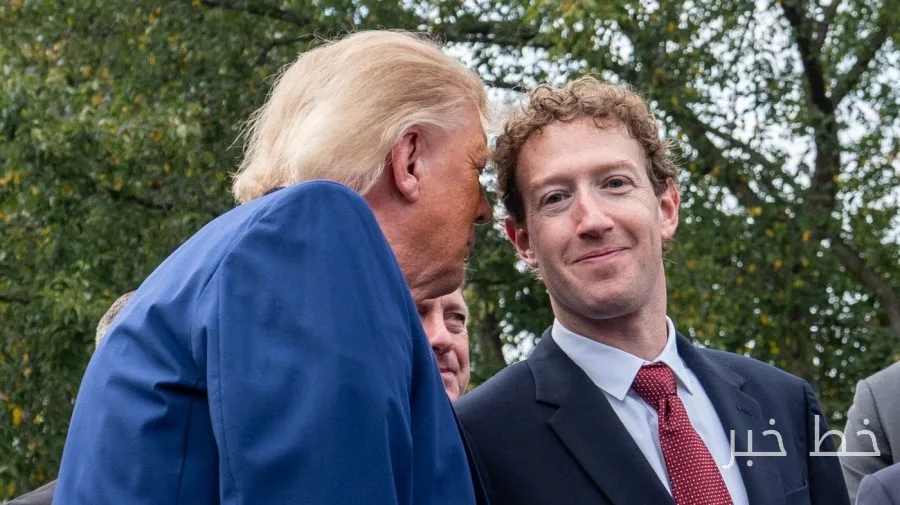
The self-monitoring agreement proposed by Donald Trump regarding artificial intelligence has faced mixed reactions in Washington. This agreement allows the tech industry to autonomously oversee itself, a subject that has raised significant concerns about the safety and ethics of this technology.
Concerns About AI Safety
While Trump describes this agreement as a way to boost innovation and reduce regulations, critics believe that this type of self-monitoring could lead to serious risks for society. With the increasing applications of artificial intelligence in various fields, including medicine, transportation, and security, concerns about accountability and transparency in this technology have intensified.
Reactions from Congress Representatives
Trump's agreement has also caught the attention of Congress representatives. Some representatives are calling for stricter regulations to oversee this technology. They believe that without proper oversight, irreparable risks may arise. These representatives emphasize the need for a robust legal framework for the use of artificial intelligence to ensure that this technology serves the benefit of society.
Many experts also stress the need for collaboration between the government and industry to develop safety and ethical standards for artificial intelligence. They warn that the absence of such collaboration could lead to serious problems.
The Future of the Self-Monitoring Agreement
Currently, the future of Trump's self-monitoring agreement on artificial intelligence is uncertain. Given the various reactions in Washington and public concerns, there may be a need for reforms and changes to this agreement. In any case, this issue has become one of the hot topics in technology policy, and discussions in this area seem likely to continue soon.