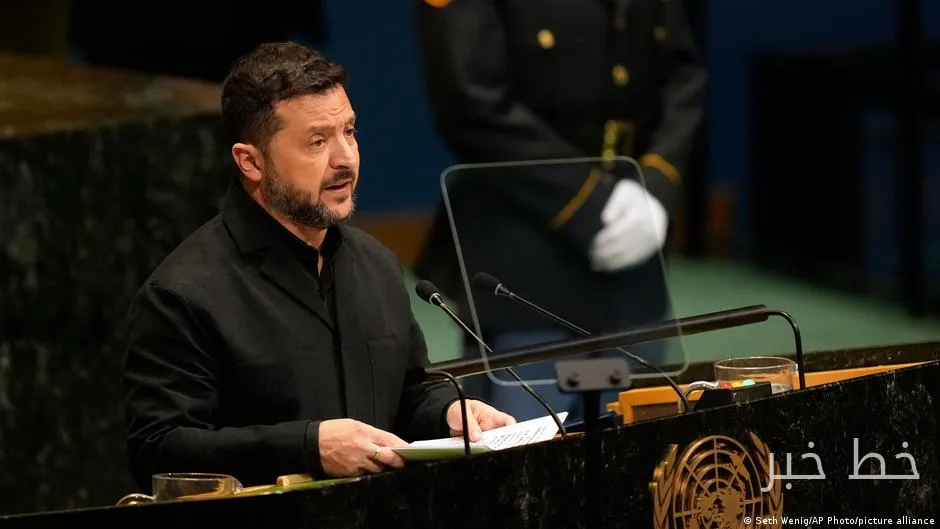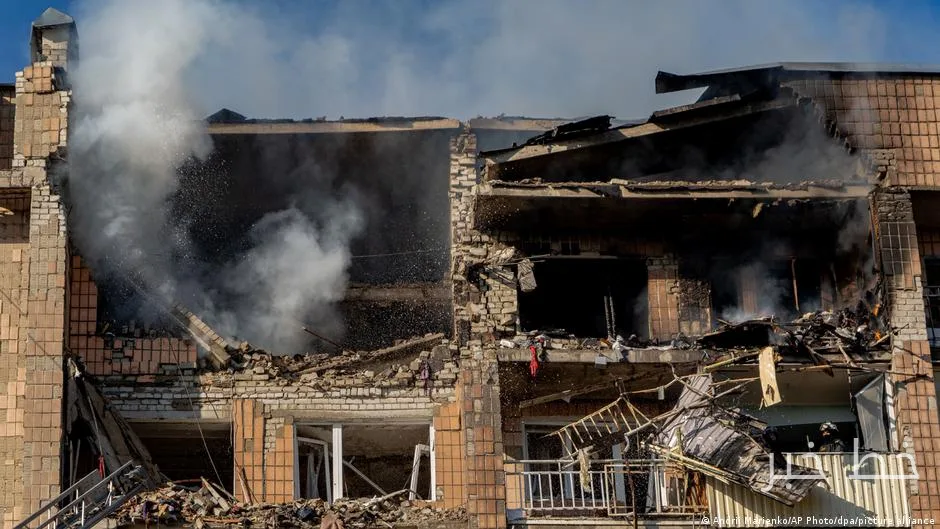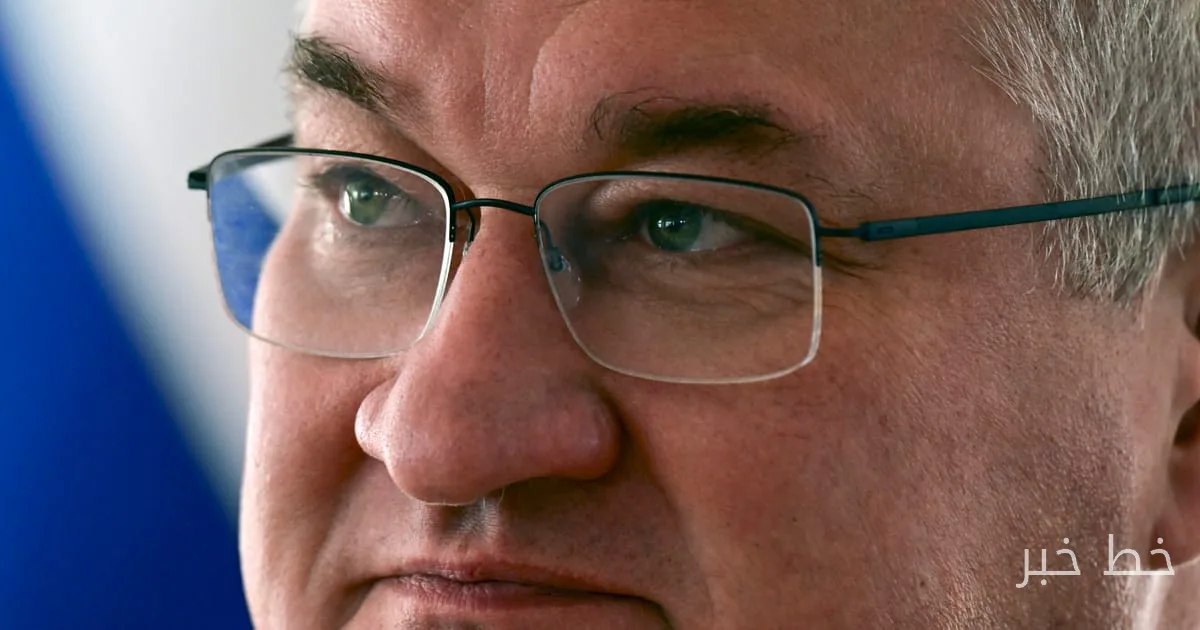
Andrii Sybiha, the Ukrainian Foreign Minister, called for the European Union to use frozen Russian assets to finance Kyiv's defense. He presented this action as a way to counter claims from extreme right and left groups in Europe that say European taxpayers are footing the bill for the war.
Emphasis on Russia's Responsibility
Sybiha stated in an opinion piece, "Russia, not European taxpayers, should be the first to pay for the damages it has caused and continues to cause." He viewed the use of these assets as a way to reassure "skeptical audiences across Europe" ahead of a year filled with elections.
Elections are set to take place in various countries, including France and Italy, in 2027. In France, Marine Le Pen, the leading candidate for the presidential election, has promised to halt financial aid to Kyiv, while in Italy, Roberto Vannacci has challenged the continuation of support for Ukraine from the right.
Legal and Financial Obstacles
The G7 froze about 300 billion euros of Russia's central bank reserves in 2022, of which around 210 billion euros are in the European Union, mostly held in the Belgian financial depository Euroclear. Belgium, along with Italy, rejected the EU's proposal to use these assets as collateral for loans to Ukraine, citing legal and financial concerns and the risks of Russian retaliation.
This effort gained momentum in the summer when Sweden, the Netherlands, Poland, and Spain urged the European Commission to resume negotiations and explore ways to overcome Belgium's objections. However, Belgium continued to oppose the idea.
Sybiha responded to Belgium's concerns, stating that the Ukrainian Ministry of Finance has proposed that the assets be placed under the collective control of the EU, which would bear responsibility for their use and any shared liabilities. He added, "Belgium's risk aversion is a reason for risk-sharing, not for silence and inaction."
He also addressed concerns about undermining the euro or diminishing Europe's influence in future peace negotiations, stating, "The credibility of the euro is based on Europe's ability to defend order and principles."
Sybiha noted that Russia plans to spend 180 billion euros on military matters in 2027, which is more than 40 percent higher than its spending in 2026. He urged EU leaders to act in the fall and warned that delays would prolong the war and increase the costs of defending Ukraine.