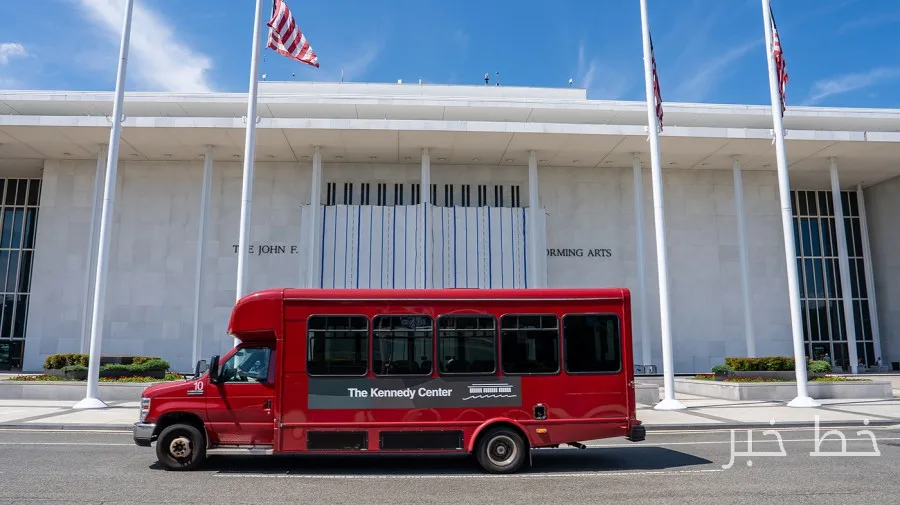
The Kennedy Center is facing serious challenges in the future. The closure of this center follows President Trump's decision to condition planned changes in his name on the building. These decisions have led to significant concerns about the cultural future of this institution.
Closure of the Center and Reactions
The decision to close the Kennedy Center was made after a board affiliated with Trump voted for this action. This situation has faced widespread opposition from the arts community and the public, who are concerned about the loss of one of the country's most important cultural centers.
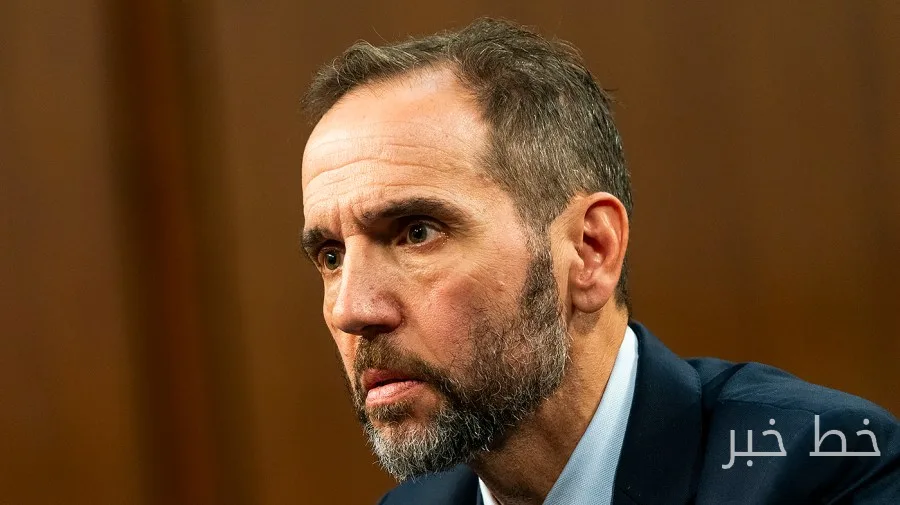
In this context, Federal Judge Christopher Cooper has blocked Trump's and the board's efforts. This judge has stated that the proposed changes and the closure of the center are not legally justifiable. However, despite this ruling, fences were installed around the main building of the Kennedy Center on Wednesday, and the location was officially closed.
Cultural and Social Consequences
The closure of the Kennedy Center could have profound implications for cultural and artistic activities in the United States. This center is recognized as a space for performing arts, music, and other cultural programs, and its closure means the loss of an important platform for artists and audiences.
Moreover, this action could lead to a reduction in financial and social support for cultural projects. Especially at a time when many artistic institutions are facing financial challenges due to the COVID-19 pandemic, the closure of the Kennedy Center could further weaken these institutions.
Given recent developments, the future of the Kennedy Center and its programs is shrouded in uncertainty, and this issue is expected to remain in the spotlight. Artists and arts supporters are trying to make their voices heard by officials and may take actions to save this center in the near future.