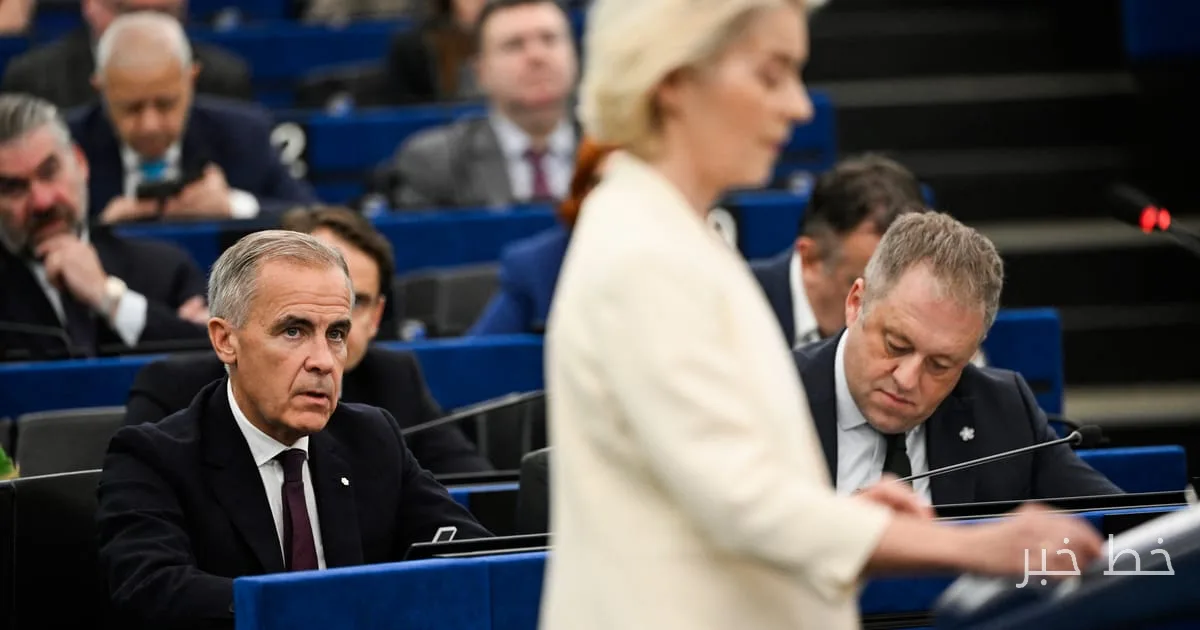
Ursula von der Leyen, President of the European Commission, in a significant speech on Wednesday, introduced Europe as the leader of a group of countries seeking to stand against rival powers such as Russia and China. This speech was delivered at the European Parliament building in Strasbourg in the presence of Canadian Prime Minister Mark Carney, who is known for his disagreements with Trump.
Emphasis on New Partnerships
In her speech, von der Leyen emphasized the need to rethink partnerships, stating, "In this new world, we must urgently redesign our partnerships." She is also looking to create global coalitions to strengthen democracies and resilience against global threats. Von der Leyen suggested that Europe should take the lead in this area with its dimensions and power and explore the possibility of granting 'associate membership' status to Canada.
Speech on Major Threats
This speech for von der Leyen, who is now in her second five-year term, is somewhat a statement regarding her geopolitical legacy. It came a year after the announcement of the "moment of European independence" from the same platform and somewhat referenced Carney's remarks at the World Economic Forum in Davos, which called for solidarity among middle powers against dictators.
In addition to proposing associate membership status for Canada, von der Leyen suggested creating a "European Security Council" that would include leaders from the UK, Norway, Canada, and Ukraine and operate outside of NATO. This council could provide a platform for discussing hybrid threats without the presence of the United States.
While this speech emphasized major threats such as Russia and China, some observers expressed disappointment over the lack of practical proposals to address Europe's immediate challenges. Additionally, von der Leyen did not mention the economic issues and urgent financial needs of Ukraine, which requires €23 billion before the end of the year.
Von der Leyen's speech faced various criticisms and opinions. Some officials and diplomats were concerned that her proposals, particularly regarding new collaborations and the establishment of an independent security council, raised ambiguities about the importance of NATO. They believe that many of Europe's defense and economic needs still depend on the United States.