Ursula von der Leyen's action, the President of the European Commission, to make Canada the 'first associated member' of the European Union has surprised European countries. In her annual State of the Union address in Strasbourg, she stated that "it is essential to elevate relations with Canada to the highest possible level" and emphasized the need to "redefine partnerships" and "build global coalitions."
Surprise and Concerns Among European Countries
This proposal has raised concerns among member countries, as they were never consulted about this idea prior to Ursula von der Leyen's speech. Three anonymous diplomats stated that "no one really knows what this means." According to one of these diplomats, "member countries have tried to lower expectations" and emphasized that more details about this agreement need to be discussed.
Existing Challenges and Obstacles
Another diplomat stated that at best, Canada might only receive the equivalent of a deep and comprehensive free trade area (ZLEAC), which grants access to the European market. This type of agreement is granted to countries such as Georgia, Moldova, and Ukraine. He also added that there is no meaningful support for any other form of economic or political integration.
A third diplomat reminded that any form of dependency status would require fundamental changes to the foundational treaties of the European Union, which seems "impossible" due to a lack of support. Meanwhile, issues such as Canada's priorities for domestic production, the competition of Canada's steel industry with Europe, and tariffs on EU car exports could pose serious challenges.
The Irish Minister for European Affairs, Thomas Byrne, reacted to this proposal by stating that "the expansion of our Union to full members and perhaps associated members aligns with our strategic interests." However, European representatives in Parliament are less convinced by this idea.
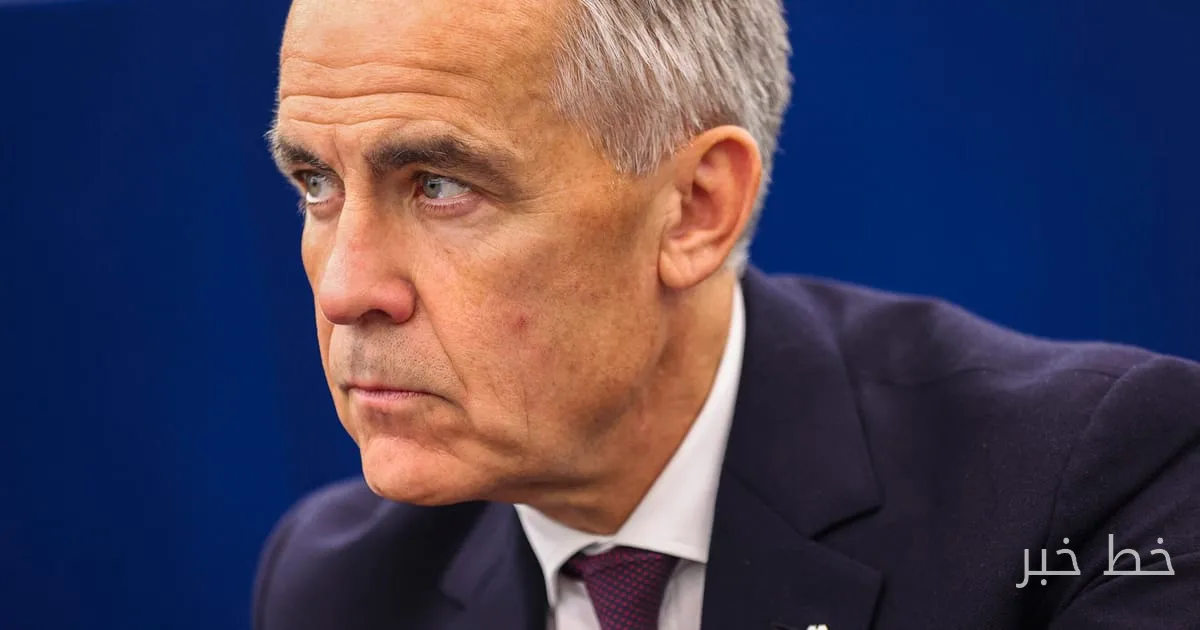
Canadian Prime Minister Mark Carney also participated in this speech and emphasized the need to reduce dependence on the United States. He called for the formation of a coalition of like-minded democracies and supporters of free trade. Carney is set to present his views on the future of EU-Canada relations in the European Parliament on Thursday.