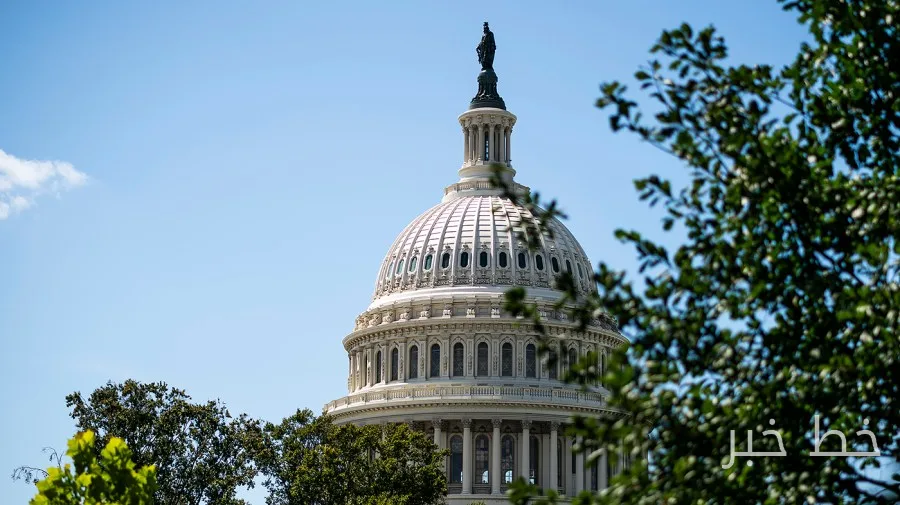
The U.S. House of Representatives has postponed the discussion on regulating artificial intelligence until after the November midterm elections. This decision has led to disappointment and concern among some lawmakers who are seeking to establish new laws to control this technology.
Legal Challenges
Lawmakers are trying to address the legal challenges posed by the rapid advancement of artificial intelligence. This technology has been expanding rapidly in recent years, raising concerns about its implications for privacy, security, and jobs. Some representatives, especially Democrats, believe that laws need to be enacted quickly to prevent potential abuses.
Read more: Data centers in Europe face challenges related to water and energy resources
Proposals and Plans
In recent weeks, several proposals for regulating artificial intelligence have been put forward. These proposals include requiring companies to clarify how they use AI in their products and services, as well as establishing standards for assessing the risks associated with this technology. However, some lawmakers believe that enacting these laws requires further examination, which is why discussions have been postponed until after the elections.
The November midterm elections will provide an opportunity to review technology policies and strengthen regulations. In these elections, new lawmakers will be elected who may have different views on how to approach emerging technologies. For this reason, many technology industry activists and civil society members are concerned that this delay may mean a lack of necessary frameworks to protect citizens' rights.
Future Implications
The delay in discussing and approving AI regulations could have serious consequences for various industries. Large technology companies may have greater capacity to advance in this area, while smaller and startup businesses may face more significant challenges. Additionally, this delay could exacerbate public concerns about the negative effects of artificial intelligence.
Ultimately, this decision could impact the future of technology and how society interacts with it. Lawmakers and policymakers need to carefully consider the implications of this delay and strive to find effective solutions for managing artificial intelligence.