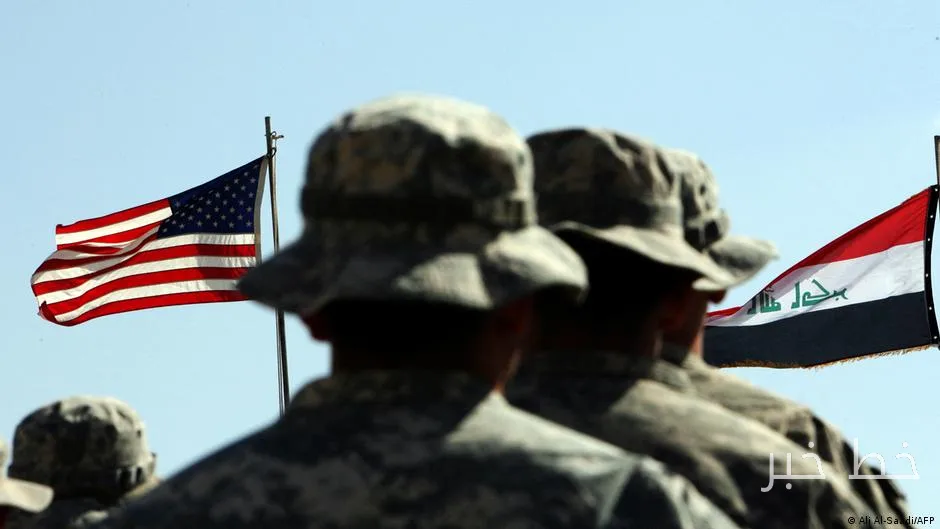
U.S. forces continue their withdrawal from the remaining bases in Iraq on Wednesday after more than a decade of military presence. This action follows the defeat of the terrorist group "Islamic State" (IS) in Iraq and Syria.
History of U.S. Presence in Iraq
U.S. forces were deployed to Iraq and Syria in 2014 to combat the terrorist group IS. This group was defeated in Iraq in 2017 and in Syria in 2019, but coalition forces remained in these countries to fight the remnants of this group.
Read more: Fatima Al-Zahra Mansouri Becomes Morocco's First Female Prime Minister
The complete withdrawal of U.S. forces from Iraq occurs 23 years after the fall of Saddam Hussein at the hands of U.S.-led forces. This fall led to widespread instability and chaos in the country, resulting in the emergence of IS.
Reactions to the Withdrawal of U.S. Forces
The Prime Minister of Iraq, Ali Al-Ziyadi, declared October 1st as Iraq's day of sovereignty and stated that this day should be celebrated as a national occasion. He expressed that this day emphasizes the completion of Iraq's path toward sovereignty and strengthening the presence of the government and its institutions. Leaders of the executive, legislative, and judicial branches also supported this in relation.
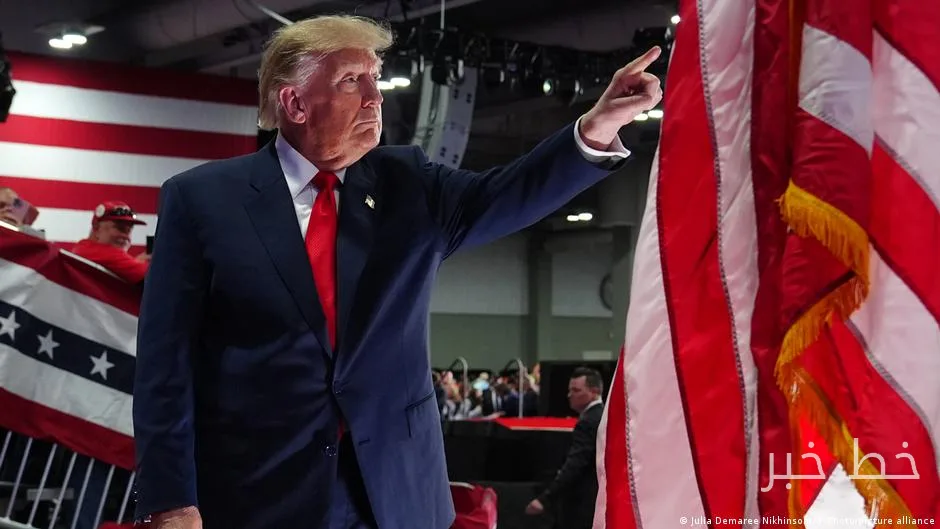
Iran and its allies celebrated the withdrawal of U.S. forces, considering it a victory for the resistance axis in the region. This comes as the agreement for the withdrawal of U.S. forces was signed in 2024 by Joe Biden, the former President of the United States, and is now being implemented under the presidency of Donald Trump.
However, the withdrawal of U.S. forces from Iraq has raised concerns about a decrease in security in the region. Iran-backed Shiite militia groups are attempting to gain greater control over various areas of Iraq and may potentially aid in the resurgence of IS.
Read more: Continued Fighting in Tigray, Ethiopia, Affecting Civilians · Iran Communicated Its Conditions to the U.S.