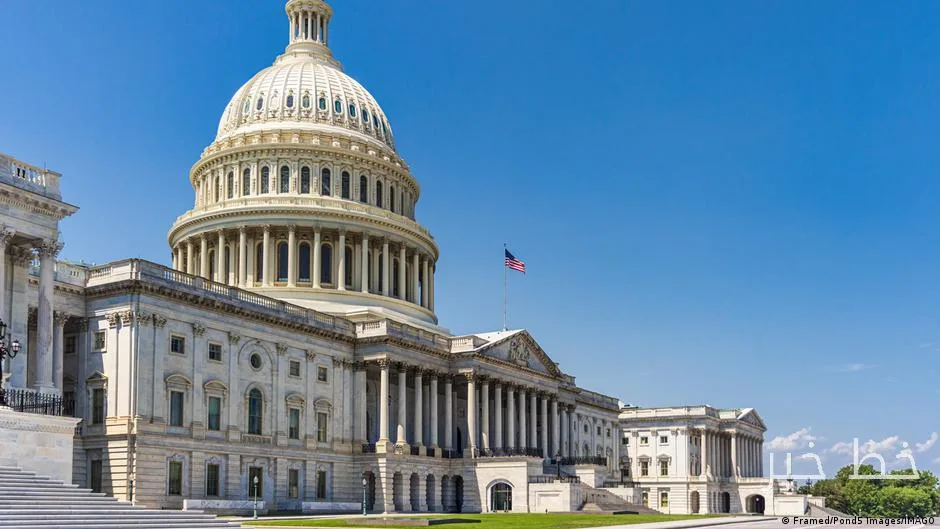
The veto of the US anti-Iran resolution in the Security Council occurred due to the obstruction by Russia and China. This action has drawn particular attention, especially as negotiations between Iran and the US are ongoing on the sidelines of the annual meeting of the United Nations General Assembly, mediated by Qatar.
Iran and US Negotiations
The recent negotiations between Iran and the US have been described as a constructive event. US President Donald Trump has assessed this three-hour meeting positively and mentioned the possibility of future meetings. Trump also announced that Iran proposed to reopen the Strait of Hormuz within 7 days if US military pressure is reduced.
Read more: Trump's administration criticized CNN and its reporter
Defense Developments in the Region
Meanwhile, Riyadh expects Pakistan not to limit its defense commitments to paper alone and to increase its support in the event of rising threats against Saudi territory. Trump's lack of support for Saudi Arabia amid the recent escalation of conflict with Yemen's Ansar Allah has been interpreted as a sacrifice of Mohammed bin Salman, the Saudi crown prince.
There is evidence of a new escalation of tensions between the US and Iran. Tehran has clearly stated that it faces a new equation of expanding the geography of war and diversifying military targets. These changes in Iran's military and security policies are particularly noteworthy given that the maritime blockade of Iran incurs a cost of approximately $32.5 million per day.
Preliminary Results of the Russian Elections
On the international stage, the preliminary results of the Russian Duma elections indicate the leading position and victory of the "United Russia" party led by Vladimir Putin. These results could influence future interactions between Iran and Russia.
A former US Assistant Secretary of State recently referred to the escalating tensions and concerns regarding regional security, emphasizing the need to pay attention to internal and external developments to prevent new crises. At the same time, analysts believe that for Iran's political and security elites, possessing nuclear weapons may be the only effective deterrent against foreign attempts to change the regime.
In this context, Mark Fitzpatrick also pointed out that although the veto by Russia and China halts the committee's mission to monitor the implementation of sanctions, the sanctions themselves will remain in place. This issue could affect the future of Iran's relations with other countries as well as the country's economic and security conditions.
Read more: Bill Clinton criticized Trump's plans · New travel regulations in China have raised concerns among tech giants