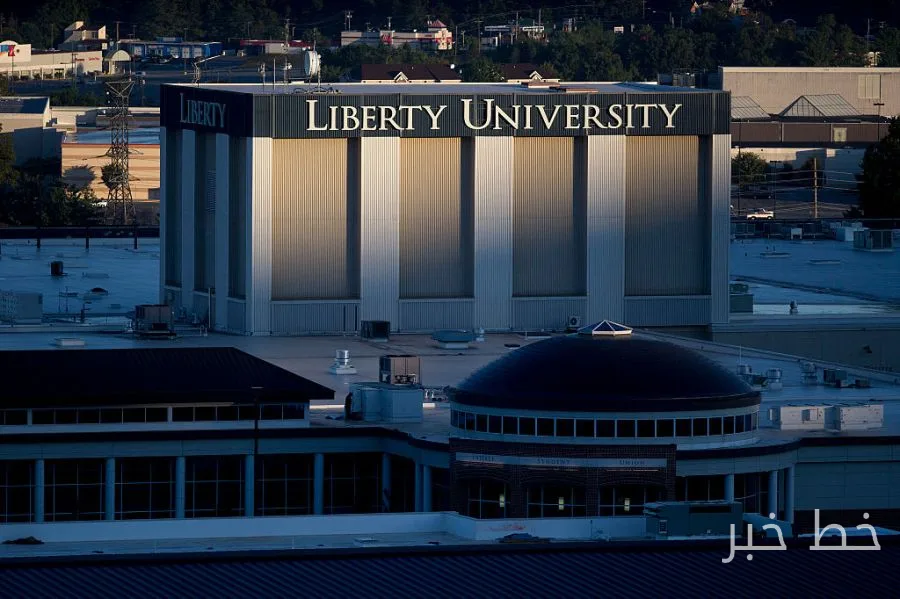
Religious students in Virginia should be able to continue their education without having to choose between following their religious beliefs and receiving educational financial aid. This issue is raised in the Hall v. Fleming case, which gives the Supreme Court of the United States an opportunity to address existing inequalities in the educational system.
Hall v. Fleming Case
The Hall v. Fleming case concerns the status of religious students at Virginia universities who face restrictions in receiving educational financial aid due to their religious beliefs. This case particularly focuses on the rights of students whose religious choices may unfairly impact their access to educational financial resources.
Read more: Laxity in the Execution of Krista Pike's Death Sentence in Tennessee
This situation has forced some students to alter or compromise their religious beliefs in order to receive financial aid, which negatively impacts not only their education but also their religious identity. Such a situation can have serious consequences, especially in religious communities where adherence to religious principles is highly valued.
Legal and Social Implications
If the Supreme Court of the United States rules in favor of religious students, this decision could widely affect how educational financial aid is provided across the country. This case could serve as a turning point in discussions regarding the separation of church and state in the educational system of the United States.
In recent years, many students in other states have faced similar challenges. This highlights the need for greater attention to the rights of religious students and the establishment of a suitable legal framework to support them. Ultimately, this case will not only impact the situation of students in Virginia but also in other states.
Read more: Trump May Enact the Insurrection Act Before the Midterm Elections · The Supreme Court of the United States Denied Krista Pike's Clemency Petition