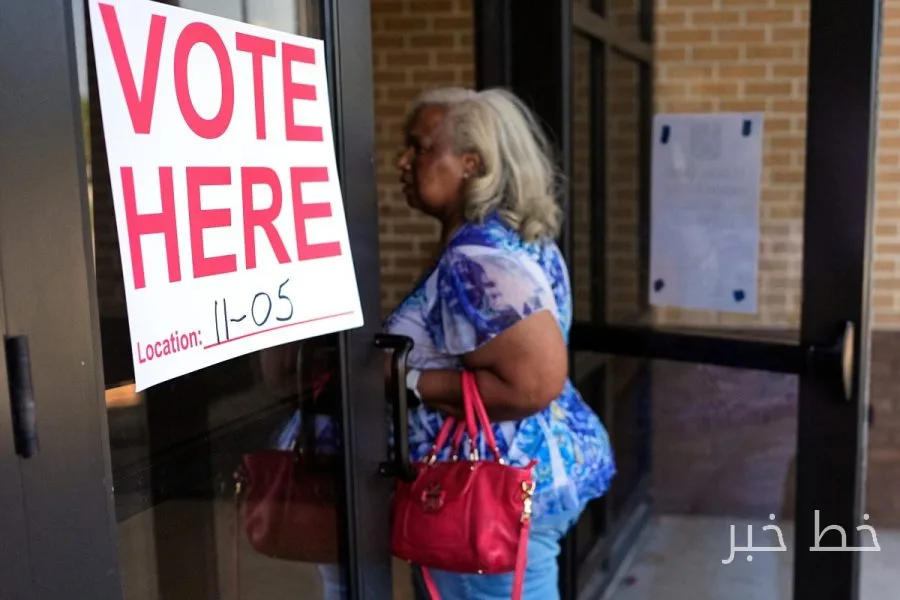
Citizens in various states of the United States may be able to vote in elections without presenting an ID. This situation means that if you are at the polling place but have forgotten your wallet, you may still be able to exercise your voting rights.
Differences in State Laws
Voting laws vary greatly between states, and some states allow voters to vote without an ID. These laws may include specific conditions that enable voters to verify their identity by providing other information. For example, in some states, voters can confirm their identity by providing personal information such as their name and address.
Potential Consequences
Such laws can have profound impacts on participation in elections. Individuals who may not be able to present their ID for various reasons may feel they can participate in elections without the worry of losing their voting rights. This could lead to an increase in the number of voters in elections and, in turn, affect election outcomes.
However, critics of such laws believe that reducing ID requirements could lead to election fraud. They argue that having stricter ID requirements can help maintain the integrity of the voting process. At the same time, supporters of these changes believe that creating easier access to voting should be prioritized and can strengthen democracy.
Overall, laws regarding voter identification are changing, and states are looking for ways to allow citizens to participate in elections more easily. This could help increase participation in elections and strengthen democracy.
Read more: Ismail Baqai conditioned the Strait of Hormuz on the end of the blockade · The role of National Guard members in U.S. midterm elections