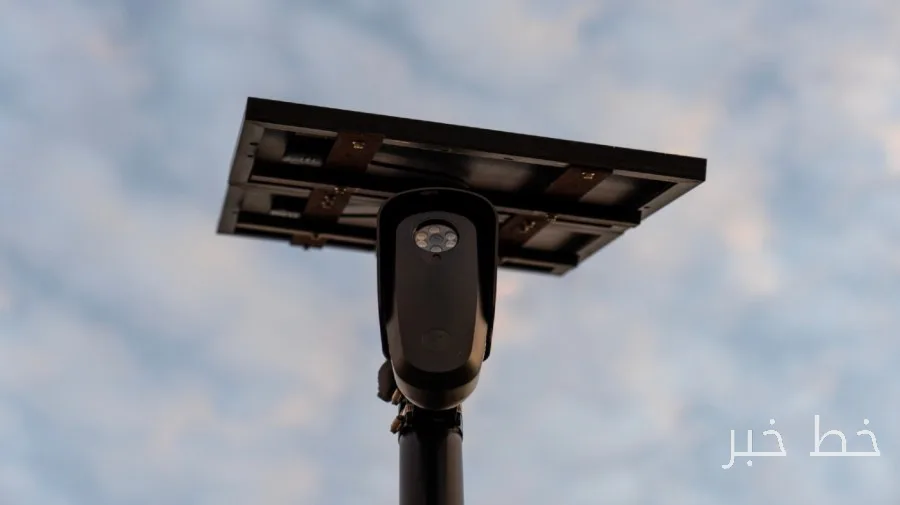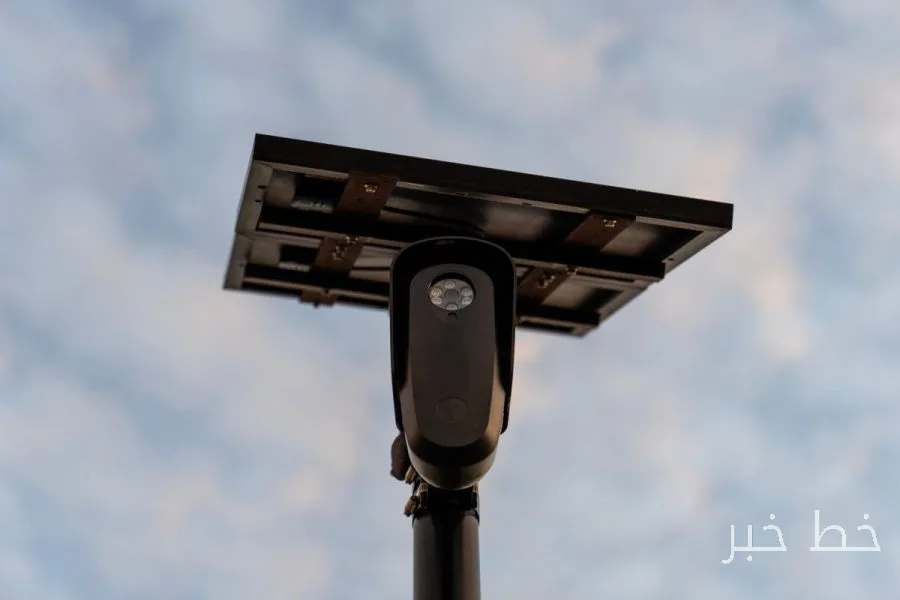
Automatic License Plate Recognition (ALPR) cameras, which are increasingly being installed across cities, are designed to identify and record information related to vehicles. These cameras are primarily used to assist law enforcement and enhance public safety, but many individuals are concerned about their privacy in this process.
Functionality of ALPR Cameras
ALPR cameras use advanced imaging technology and image analysis software to identify and record vehicle license plates in real-time. These systems quickly process information and send it to the relevant authorities. For example, if a vehicle is on a list of stolen or suspicious vehicles, this information is immediately relayed to the police.
Read more: UN Independent Scientific Panel Calls for New Regulations on Artificial Intelligence
These cameras can be installed in various locations including roads, parking lots, and city entrances. Typically, these systems can identify multiple license plates per second, thereby increasing the response speed of police and other security organizations.
Privacy Concerns
With the increasing use of ALPR cameras, concerns about individuals' privacy have also risen. Many people are worried that their personal information may be collected without their knowledge and consent. These concerns are particularly heightened when recorded information is retained for long periods, raising the possibility of misuse.
Some experts recognize this technology as an effective tool for combating crime, but on the other hand, they emphasize that laws and regulations must be established to protect individuals' privacy. For instance, it is necessary to determine how long recorded information will be retained and who will have access to this information.
Ultimately, the balance between public safety and privacy must be carefully considered. The use of ALPR cameras can help enhance community safety, but this should not come at the expense of violating individuals' privacy.
Read more: Payments Begin as a Result of $115 Million Agreement with Oracle · Trump Announces Creation of Artificial Intelligence Force