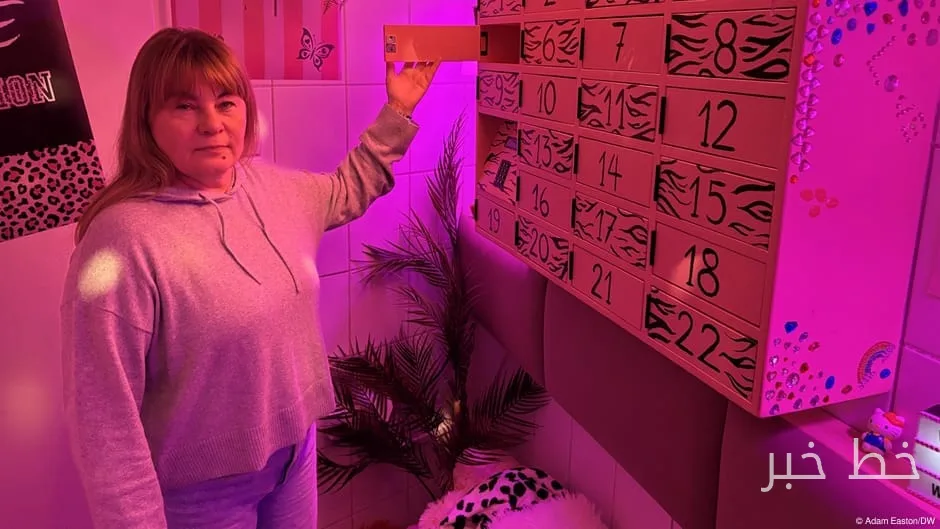
Women’s rights activists in Poland have launched a machine called "Aboromat," the world's first abortion pill distribution machine. This machine is located in a building opposite the Polish parliament and, according to activists, sends a clear message to politicians like Donald Tusk. The Prime Minister of Poland had promised to legalize abortion up to the twelfth week of pregnancy before the 2023 parliamentary elections, but his coalition has been unable to agree on a common position.
Abortion Status in Poland
Only two EU member countries, Poland and Malta, do not allow abortion on request. In Poland, abortion is only permitted in cases of crime (rape or incest) or if the woman's life or health is at risk. Activists help women find the necessary information to access medication and, if needed, travel abroad.
Read more: Next health symposium to be held in 2026
Functionality of "Aboromat" and Challenges
The "Aboromat" machine, which was launched in late September, has 22 pink locks. Women must receive a PIN code from the organization "Women Helping Women" to unlock one of these locks, and after filling out a medical questionnaire, this information is reviewed by a doctor. Each compartment of the machine contains a package with two medications, mifepristone and misoprostol, which are typically used up to the fourteenth week of pregnancy.
Women’s rights activists in Poland are also facing anti-abortion pressures from ultra-Catholic legal groups. These groups have claimed that activists are committing crimes and have reported them to the judicial authorities. At the same time, activists are continuously protesting outside the "Abotak" center, attempting to disrupt its activities.
Despite legal and social challenges, women’s rights activists in Poland continue their efforts, assisting about 130 women daily. While only 851 abortions were performed in Polish hospitals last year, these activists are seeking positive changes in laws and living conditions for women in the country.
Read more: Malnutrition accounts for 50,000 deaths annually in Germany · The murder of Arlinda Zakaj in Kosovo sparked public outrage and widespread protests