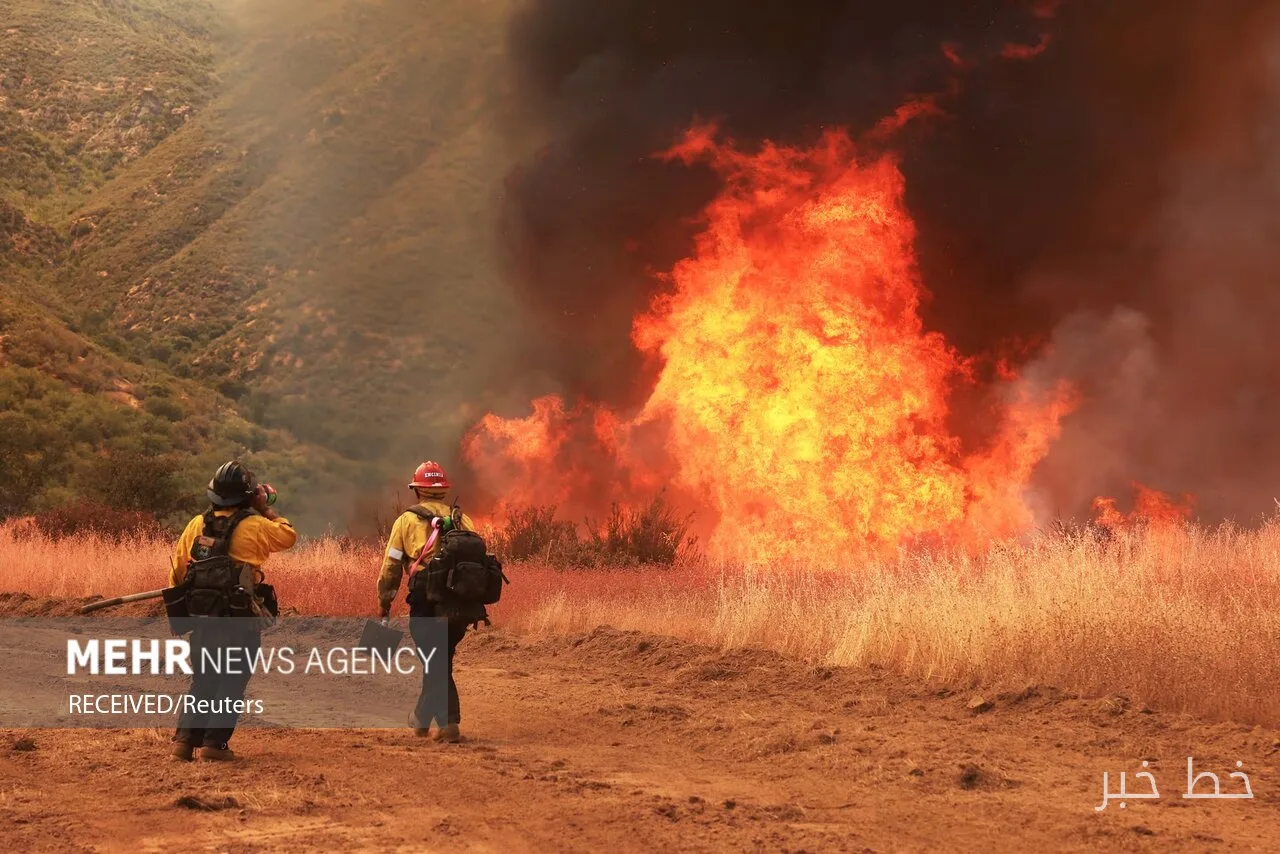
The World Meteorological Organization (WMO) has reported concerning climatic conditions on Earth in 2026 and emphasized that the ongoing record-breaking global temperatures, increased ocean heat content, and critical glacier conditions will be exacerbated by the strengthening of the El Niño phenomenon in the coming months. This situation could pose new risks for various countries around the world.
Temperature Increases and New Records
The new report from the World Meteorological Organization indicates that the trend of rising global temperatures continues, with the past 12 years each being recorded as the warmest years on record. The average surface temperature of the Earth from January to September 2026 is about 1.47 degrees Celsius higher than the pre-industrial average, and this figure is expected to rise by the end of the year.
The El Niño phenomenon, which has intensified since August, is recognized as one of the factors exacerbating this situation. This phenomenon may reach its strongest level in the observational record by December and, with the intensification of global warming, increase the occurrence of severe weather conditions in various regions of the world.
Dangerous Consequences of Global Warming
The report from the World Meteorological Organization shows that the energy imbalance in the Earth system is continuously increasing, and the planet is accumulating heat at an accelerating rate. This imbalance has reached its highest level since scientific monitoring began, and the increase in greenhouse gas concentrations has led to unprecedented amounts of heat being trapped in the atmosphere.
Oceans absorb about 90 percent of the excess heat resulting from the Earth's energy imbalance. The year 2026 is also on track to record the tenth consecutive year of ocean heat records, indicating a worsening trend in ocean water warming. Additionally, sea levels are at their highest and sea surface temperatures have reached new records.
Human and Economic Consequences of Climate Change
António Guterres, Secretary-General of the United Nations, warned about the consequences of intensified global warming and the strengthening of the El Niño phenomenon, stating that the world has entered a new phase of climatic instability. He remarked, "We have entered a new era of unbalanced weather conditions."
He also referred to climate records and the increasing human costs resulting from these changes, emphasizing that countries with the least responsibility for creating the climate crisis are the first and most affected. Guterres called for quicker action from world leaders to reduce greenhouse gas emissions and support vulnerable countries.
The Importance of Forecasting and Early Warning
The report from the World Meteorological Organization emphasizes the importance of observation-based global forecasts for managing risks associated with climate change. Access to accurate and up-to-date forecasts for managing the increasing risks threatening communities and economies is more important than ever.
In this regard, the number of countries reporting the establishment of multi-hazard early warning systems (MHEWS) has increased from 56 countries in 2015 to 136 countries in 2025. This trend indicates the expanding capacity of countries to identify and inform about natural and climatic hazards before disasters occur.
Read more: COP31 Could Be the Last Chance for the European Union to Influence Climate Negotiations · Democrats' Victory in Midterm Elections Will Affect How Companies Discuss Climate Change



