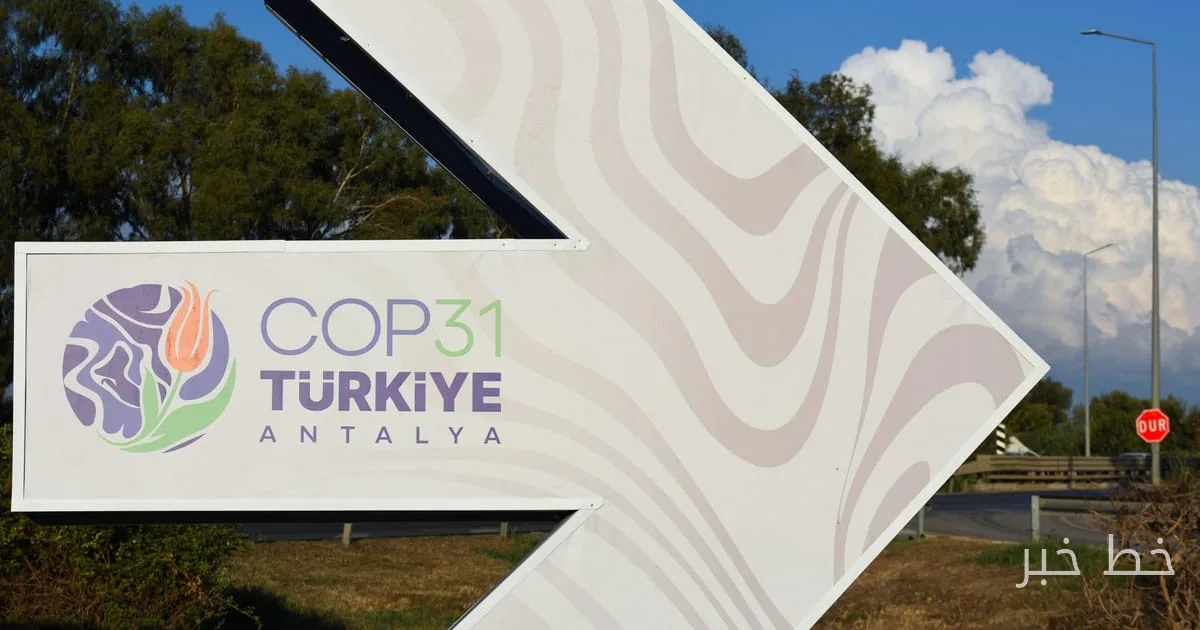
COP31, as a significant event in the history of global climate negotiations, begins today in Antalya, Turkey, and the European Union (EU) is striving to strengthen its position in these negotiations. However, potential victories for far-right parties in upcoming elections in four major EU countries could jeopardize these efforts.
Political challenges ahead for the European Union
The European Union is on the brink of an important summit in 2028, where countries will discuss necessary actions to further reduce global greenhouse gas emissions. However, before COP32 next year, there is a possibility of diminishing unity within the EU on climate issues. In the next twelve months, four major EU countries, including France, Spain, Italy, and Poland, will hold significant elections. These elections could lead to victories for far-right and populist parties that have previously shown reluctance to support climate negotiations.
Criticism and concerns about climate negotiations
Critics such as Marie-Luce Brazière-Klein, a Member of the European Parliament from the far-right party 'Rassemblement National', have openly stated that this conference may not yield results. She has also criticized ideological agendas and warned European Commission officials that such agendas could lead to significant deindustrialization and serious social changes.
In this context, Mireia Bora Pabon, another Member of Parliament from the Spanish party 'Vox', has criticized efforts to reduce fossil fuel use, emphasizing that these actions may increase the cost of living for people. She has also raised questions about the true objectives of this conference.
Far-right parties in countries like Poland, Germany, and Austria are seeking to reduce climate budgets by criticizing the EU's climate policies and cutting development aid to developing countries. These approaches could negatively impact the EU's power and influence in COP negotiations.
Hope among moderate politicians
Moderate politicians, including Samirana Nova, Denmark's Climate Minister, are aware of these challenges but remain hopeful. She pointed out that the Democrats' victory in the U.S. midterm elections could be a sign of positive changes in Europe.
European governments have held multiple meetings to strengthen their diplomatic efforts after the isolation experienced at COP30 last year in Brazil. They intend to showcase greater power and unity by creating a 'European Village' at the conference and to approach a unified voice in negotiations.
Strengthening the EU's negotiating position and establishing a common communication strategy for COP31 are other actions on the agenda. In this regard, the EU aims to participate in these negotiations as a constructive rather than adversarial actor.